Stop Waiting for the Perfect Time: How to Overcome Procrastination and Start Taking Action Today

The Silent Killer of Dreams: Waiting for “Someday”
You stare at your pudgy, out-of-shape body in the mirror. Again.
It’s been months since you said, “I’ll start working out next week when I have more time.” Now, nearly two years later, that same fat, out-of-shape body haunts you like a ghost of unfulfilled potential. Your stomach tightens with a familiar mix of regret and rationalization as you make an excuse to skip another workout and watch TV instead. “I’m just not in the right headspace today. Tomorrow will be better.”
But deep down, you know the truth: tomorrow becomes next week, next week becomes next month, and suddenly, years have vanished, taking with them all the impact you could have made, the unstoppable confidence you could have formed, and the growth you never experienced.
The cost of waiting isn’t just time lost; it’s the person you could have become by now.

“The bad news is time flies. The good news is you’re the pilot.” — Michael Altshuler
Have you ever been stuck in the endless cycle of “I’ll start when I’m ready” or “maybe tomorrow”? I know I have. I delayed launching my website and blog for three years because conditions weren’t “just right.” I was waiting for the perfect moment, that magical alignment of confidence, clarity, and circumstances that never actually arrived.
The truth is brutally simple: there is no “right time.” There is only time and what you choose to do with it.
Key Takeaways
→ Waiting for the “perfect time” is a psychological illusion that keeps you stuck.
→ Tiny actions today compound into massive growth over time.
→ Action creates clarity, momentum, and confidence faster than planning ever will.
→ You don’t need the right mood, energy, or circumstances to begin you need a decision.
🔋 Tired of waiting for the “right time”?
Get my FREE 3-Day Life Reset Plan. A simple, proven jumpstart to help you stop procrastinating and start moving forward with energy and clarity.
👉 Grab my FREE 3-Day Life Reset Plan
The Myth of the “Perfect Time”: What Science Says
We all secretly wish for that golden moment when everything feels perfectly aligned. The problem? Science shows it doesn’t exist.
Research from the Journal of Personality and Social Psychology found that people consistently overestimate how much their future psychological states will differ from their current ones. This “end of history illusion” makes us believe we’ll feel more ready, confident, or prepared in the future than we do today.
In reality, a 2023 study published in Psychological Science revealed that 85% of participants who waited for “ideal conditions” to start a project reported feeling the exact same hesitation once those conditions were met. The researchers concluded that “readiness” is primarily a psychological construct, not an external reality.
Dr. Katherine Milkman of the University of Pennsylvania further discovered what she calls the “fresh start effect” we’re most likely to take action on temporal landmarks like Mondays, the first day of the month, or after holidays. However, these short-lived motivation spikes often lead to the same procrastination cycles.
This is the difference between the successful and the still-making-excuses crowd.
- → David Goggins went from obese, broke exterminator to Navy SEAL by running 100-mile races and callousing his mind instead of waiting for motivation.
- → Eric Thomas (ET The Hip Hop Preacher) was homeless, eating out of trash cans — now he charges $100,000+ per keynote, built off one principle: “When you want to succeed as bad as you want to breathe.
- → J.K. Rowling was a broke single mom on welfare, rejected by 12 publishers — she wrote Harry Potter in cafes because it was the only place she could afford to sit and dream.
- → Arnold Schwarzenegger arrived in the U.S. with no money, a thick accent, and zero acting skills — then became a bodybuilding legend, Hollywood icon, and governor by taking massive action before anyone believed in him.
The pattern is clear:
→ Waiting for the “right time” leads to more hesitation and self-doubt
→ Acting imperfectly creates clarity, confidence, and momentum
→ Momentum compounds way faster than “perfect plans” ever will
The science is unambiguous: the perfect time is a psychological mirage that keeps moving just beyond your reach. The most successful people aren’t those who find perfect timing; they’re those who decide to start anyway.
Try my step-by-step guide to building a focus-boosting morning routine that supports intentional living.

Time Is Always Moving — Whether You Act or Not
There’s something humbling about realizing this:
Time doesn’t care what you do with it.
It just keeps ticking silent, steady, unstoppable.
When I started paying attention to how I spent my days, it hit me hard: every decision or non-decision was shaping my life. Not with big dramatic moments but with tiny choices that quietly stacked up when I wasn’t looking.
Time Is Neutral, But Its Effects Aren’t
Here’s the thing most people don’t realize: Time is neutral.
- It’s not your enemy
- It’s not your friend
- It just is
You can use it, waste it, invest it, or ignore it—but you can’t stop it.
The Compounding Effect of Inaction
And inaction? It compounds just like action does:
- One missed workout becomes a month without exercise
- One project pushed to “next week” turns into six months of stalled momentum
- One conversation avoided becomes a relationship that slowly fades away
At first, nothing feels urgent. It’s easy to say, “It’s just one day,” or “I’ll start next week.” But those minor delays quietly snowball, and before you know it, the gap between where you are and where you want to be gets bigger and heavier to cross.
The Hidden Cost of Waiting
There’s a hidden cost to waiting that almost nobody talks about:
- Lost opportunities that will never come back
- Undeveloped skills that could have been mastered by now
- Eroded confidence from too many false starts
The Simple but Powerful Choice
Time will pass whether you take action or not. That’s the brutal beauty of it. You don’t get to pause it while you figure things out.
You face a simple but powerful choice every day:
- Let time control you
- Or take control of your time
You’re stacking momentum every day you choose action, even tiny imperfect steps. Every day you choose inaction, you’re quietly building a wall that gets harder to climb.
Start before you feel ready. Start even when it’s uncomfortable.
Because waiting doesn’t protect you from fear; it just delays the life you’re meant to build.
How to Reframe Your Mindset About Time
If time is constantly moving, and it is, then the real question isn’t “When will I be ready?”
It’s “How do I choose to use the time I already have?”
That shift from passive to active changed everything for me. Instead of waiting for better timing, more clarity, or perfect conditions, I realized I had a choice every single day. It wasn’t about finding time. It was about choosing how to spend it.
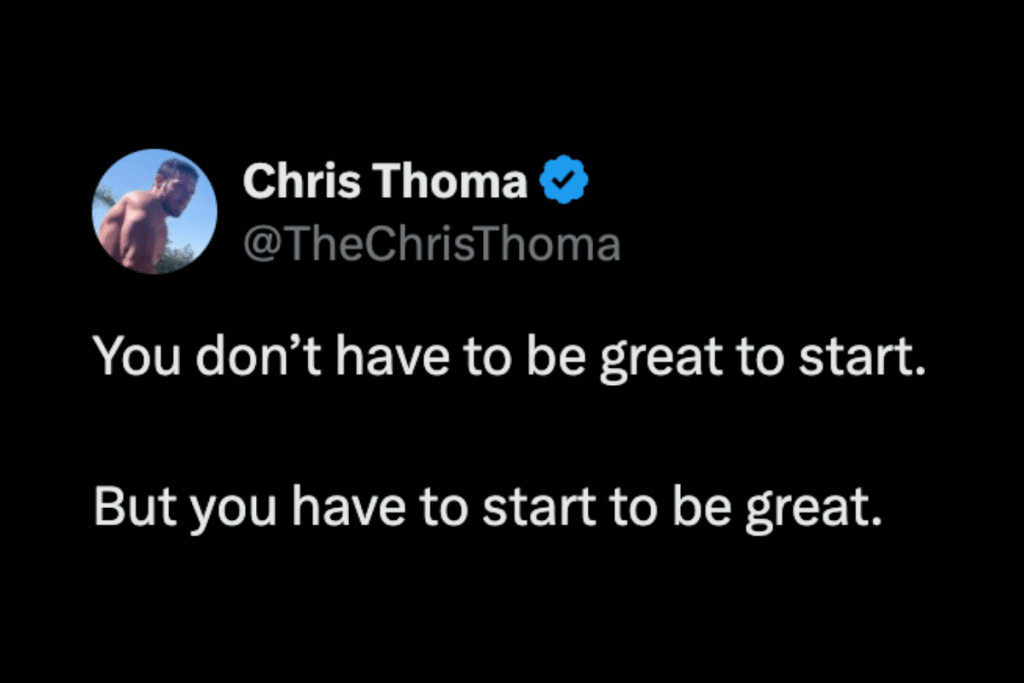
Waiting feels safe.
Starting feels risky.
But Starting is where all the growth happens.
The Future Self Perspective
One thought exercise that transformed my approach was this:
Ask yourself: Imagine your future self 5 years from now.
- What would they thank you for starting today?
- What would they regret you never did?
When I sat with that question, the answer was painfully clear. Future me wouldn’t care that I waited until conditions were perfect. He’d care that I wasted months obsessing over details instead of building skills, creating opportunities, and learning through action.
The Language of Accountability
Another mental trick that created immediate awareness:
Replace “I’ll do it later” with “I’m choosing not to prioritize it right now.”
It stung, but it made the truth visible, and once you see it, it’s much harder to hide behind excuses.
Why Now Beats Later Every Time
Here’s why “now” is always the best time to start:
- Action creates clarity faster than thinking ever will
- Skills compound over time, but only if you start stacking today
- Opportunities reward speed, not hesitation
The Ultimate Truth About Time
The most dangerous illusion is believing you have unlimited chances. You don’t. Time isn’t stopping. Every moment you hesitate, someone else is moving.
Not because they’re smarter, richer, or luckier but because they understood something simple:
Starting messy beats waiting perfectly. Every time.
You don’t have to figure it all out today. You have to take the first step. And once you start moving, time stops being a thing you’re fighting against. It becomes a force that starts working for you.
The Action Framework: Turn Hesitation into Momentum in 48 Hours

The key to breaking free from “someday” thinking isn’t willpower or motivation. Having a simple, reliable system makes starting easier than waiting. After years of false starts and delayed dreams, I’ve distilled everything I’ve learned into a two-rule framework that anyone can apply immediately.
Rule #1: The 5-Minute Start
If something takes less than 5 minutes to begin, do it immediately. No debating, no scheduling for later.
This rule works because it bypasses your brain’s resistance to big tasks. You don’t commit to finishing the project; you just start it. Once you’re in motion, continuing becomes significantly easier.
How it works in practice:
- Want to start working out? Do 10 push-ups right now.
- Need to write that proposal? Open a document and write just the title.
- Thinking about learning a language? Download the app and complete the first lesson.
The power lies in the immediacy. By taking action within 5 minutes of having the thought, you’re training your brain that ideas lead to action, not just more thinking.
Rule #2: The 48-Hour Commitment
You must take one concrete action toward any new goal, idea, or opportunity within 48 hours or consciously decide to let it go.
This rule prevents the “maybe someday” limbo where ideas live indefinitely without ever becoming reality. The 48-hour window creates enough urgency to overcome inertia but gives you the flexibility to find the right moment.
How to implement it:
- When you have a new idea, immediately decide on one small action step
- Schedule exactly when in the next 48 hours you’ll take that step
- After taking that first step, immediately identify and schedule the next one
- If you can’t commit to action within 48 hours, be honest and remove it from your mental list
These two rules create a powerful system that turns vague intentions into concrete progress. The 5-Minute Start eliminates excuses for small tasks, while the 48-Hour Commitment ensures bigger goals maintain momentum.
What makes this framework different is its focus on starting rather than finishing. Most productivity systems focus on complex planning or total life overhauls. This approach recognizes that the biggest obstacle isn’t knowing what to do. It’s just taking that first step and going for it.
By making starting your primary focus, everything else becomes easier. Clarity emerges from action, not from endless planning. Confidence comes from small wins, not perfect preparation. And momentum, once you have it, becomes self-sustaining.
Living Intentionally With the Time You Have
Living intentionally with your time means ensuring your daily actions reflect what you truly care about, not just what feels urgent or easy. It’s not about being perfect or scheduling every minute. It’s about making conscious choices instead of letting the days slip by on autopilot.
Step 1: Confront the Alignment Gap
The first step is defining your real priorities. Ask yourself:
- What matters most to me?
- Are my actions showing that, or just my words?
If you say health, relationships, or building something meaningful are important, but your time mostly goes to scrolling or reacting to distractions, there’s a gap that needs attention.
Being honest about that gap is where change begins.
Step 2: Implement a Weekly Time Audit
A simple way to stay on track is to run a weekly time audit.
Here’s how it works:
1. At the end of each week, take 5-10 minutes to review where your time went.
2. Break it into categories:
- Creation (making, building, writing)
- Connection (relationships, community)
- Recovery (rest, reflection, recharging)
- Consumption (input, learning, entertainment)
- Chaos (reactive tasks, distractions, busywork)
3. Ask yourself two powerful questions:
- What time investments moved me closer to my goals?
- What activities drained my energy or pulled me off course?
This practice makes it easier to spot patterns and adjust before months slip by without real progress.
Step 3: Establish Daily Intentional Rituals
Building small daily rituals can make a remarkable difference. These don’t have to be complicated or time-consuming. Just a few grounding habits can keep you focused on what matters:
- Take a short walk outside in the morning without your phone
- Set a simple daily intention: “Today, my focus is _______. “
- Pause for 10 deep breaths before starting work
- Write down one thing you’re grateful for each night
These small habits help you slow down, reset, and live purposefully, even on busy days.
The Real Power of Intentional Living
Living intentionally isn’t about rigid schedules or chasing perfection. It’s about making a conscious choice, day after day, to spend your time in ways that align with your real priorities.
Time keeps moving, whether you plan for it or not. The more intentional you are, the more proud you will be of your days and your future.
The Time to Act Is Now
This article has covered significant ground from dismantling the myth of perfect timing to revealing the hidden costs of delay, from practical frameworks to overcoming the mental obstacles that keep us stuck.
But here’s the truth: all this knowledge is worthless without one thing: Action.
Knowledge without implementation is merely potential. And potential, left unrealized, becomes regret.
The 5-Minute Momentum Challenge
I want to end with a challenge. Not a vague suggestion to “start today” or “take action,” but an actual, specific challenge you can complete before you close this article:
YOUR 5-MINUTE CHALLENGE:
- Identify one meaningful project you’ve been postponing
- Set a timer for 5 minutes right now
- Take ONE small action that moves it forward before the timer ends
It doesn’t matter how small the action is: Open the document, send the inquiry email, research one fact, download the app, do 10 push-ups, and make that first step.
The specific action isn’t what matters—the act of beginning does.
FAQ
Q: Is there ever a “perfect time” to start something important?
A: No. The idea of a perfect time is a psychological illusion. Research shows we rarely feel more “ready” later. Taking imperfect action today is always more effective than waiting for ideal conditions.
Q: What causes people to procrastinate, even when they know better?
A: It’s usually fear of failure, discomfort, or not doing something perfectly. Procrastination is often a way to avoid those emotions, not the task itself.
Q: What if I’m overwhelmed and don’t know where to begin?
A: Start small. One micro-action beats hours of overthinking. You don’t need a full plan just a direction. Open the doc. Do the push-ups. Make the call. Clarity comes from motion, not mental planning.
A Moment That Defines Your Future
Here’s what I know: Time will pass whether you hesitate or take action. No “perfect” season, mood, or alignment of stars is coming to save you. You only control your choice today, tomorrow, and every day after.
Five years from now, you’ll look back on this moment. Will you see it as just another day you told yourself “someday” and stayed stuck? Or will it be the day you finally decided that “now” was good enough to begin?
Your Decision Point
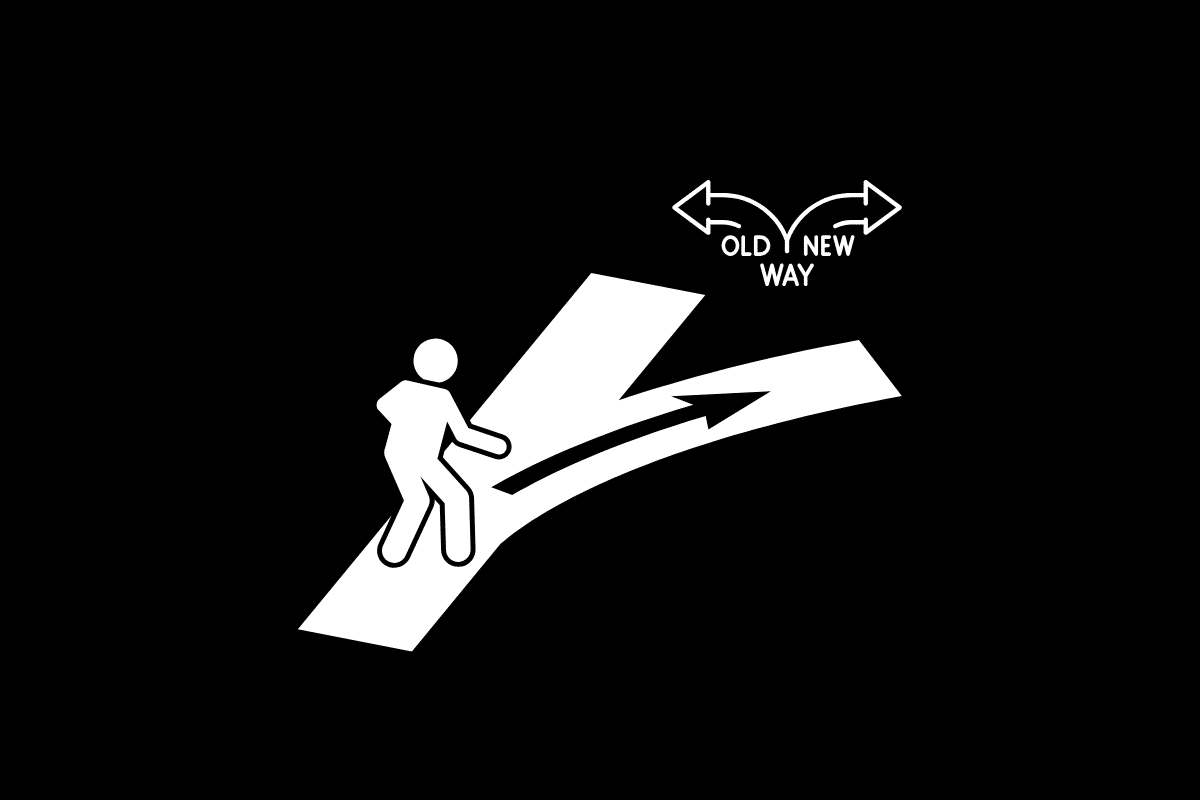
This moment right now is a fork in your path.
In one direction lies more of the same: waiting, hesitating, planning, and preparing for a perfect moment that never arrives.
In the other direction lies momentum, growth, clarity, and the satisfaction of building something real, even if it’s imperfect.
📥 You’ve waited long enough.
Your future self is counting on this moment.
👉 Download the FREE 3-Day Life Reset Plan and start building momentum today
The choice is yours. The time is now.
Thanks for reading.
-Chris

