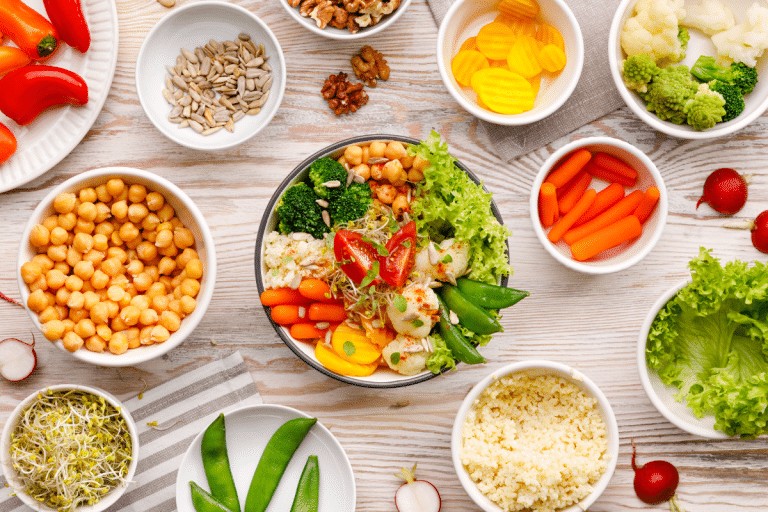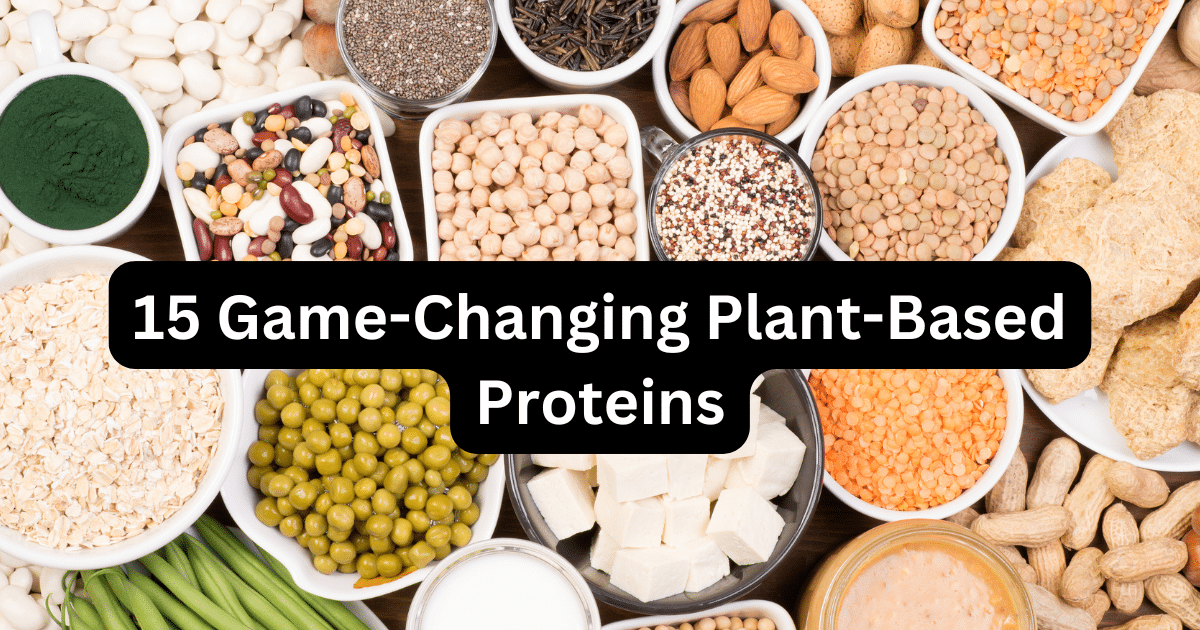
15 Game-Changing Plant-Based Proteins You Must Try (Healthy, Delicious, and Affordable!)

Did you know that a single cup of lentils contains more protein than three eggs? This is just one example of how powerful plant-based proteins can be! With increasing evidence of their health benefits and positive environmental impact, more people are beginning to reject the idea that protein must come from animal sources.
From ancient grains like quinoa to modern tempeh dishes, plant proteins are becoming the focus of nutritious eating and for good reason. They are healthy, versatile, budget friendly, and delicious. Whether you’re a committed vegan, a flexitarian trying to reduce meat intake, or just someone who’s curious, this guide has something for everyone.
This post contains affiliate links. I may earn a commission at no extra cost to you.
Get ready to explore 15 protein-packed plants that can revolutionize your meals. You’ll also discover tips, recipes, and preparation strategies to make these nutrient-rich powerhouses a staple in your kitchen. Let’s dive in and transform how you think about protein and what’s on your plate!
Ready to stock your plant-based pantry?
👉 Get started with Thrive Market and save up to 30% on organic plant proteins!
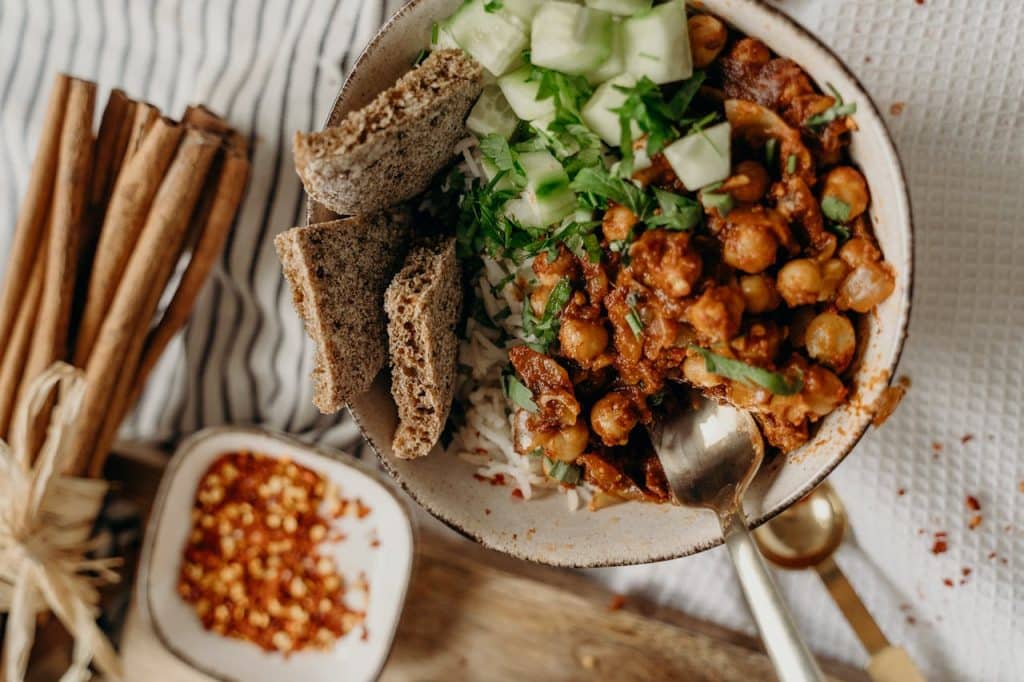
My Plant Protein Journey
Let me tell you about my journey into understanding plant proteins. It’s been quite the learning curve! I remember sitting at my kitchen table years ago, completely overwhelmed by protein charts and amino acid profiles. Understanding plant proteins can seem confusing at first, especially with all the talk about amino acids and nutrition labels. But don’t worry, it’s simpler than it seems. Think of it like building blocks for your body plant-based proteins can give you everything you need with the right combinations and choices. Let’s take it step by step so you can feel confident about getting enough protein in your meals, even if you’re just starting out.
Understanding Complete vs. Incomplete Proteins
First, tackle the whole “complete vs. incomplete protein” thing. Complete proteins contain all nine essential amino acids our bodies need but can’t make alone. For years, I thought only meat could give me these. Boy, was I wrong! While most plant proteins are “incomplete,” there’s a simple solution that nobody told me about until I dug into the research.
The secret is protein combining, but here’s the kicker you don’t need to combine proteins in the same meal like we used to think. Your body is smart enough to piece together amino acids from different plant sources throughout the day.
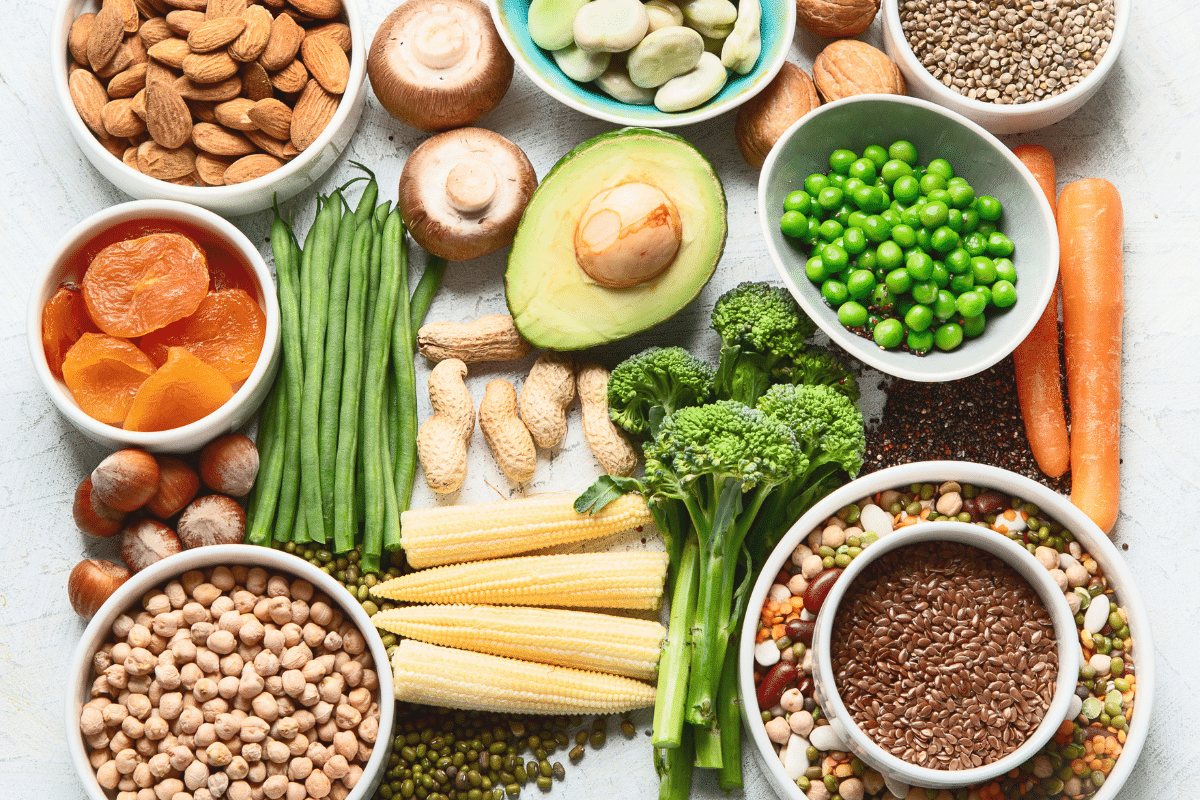
Here are some of my favorite combinations:
- Brown rice and black beans (a classic for a reason!)
- Whole grain bread with almond butter
- Quinoa and lentils (this one’s complete on its own)
- Hummus with whole wheat pita
Environmental Impact and Cost Benefits
Now, let’s talk about environmental impact because this changed everything for me. Did you know that producing one pound of beef protein requires about 1,800 gallons of water, while the same amount of lentil protein needs just 146 gallons? Not to mention, plant proteins typically cost about a third of what animal proteins do per gram. My grocery bills dropped significantly when I started replacing meat with plant proteins.
PLANT PROTEIN Common Myths Debunked:
MYTH #1: “Plant proteins are hard to digest” REALITY: Your gut actually processes most plant proteins MORE efficiently than meat. Less inflammation, faster recovery, cleaner energy.
MYTH #2: “You need massive amounts of plants for protein” REALITY: 1 cup of lentils = 18g protein (same as a burger patty) Hemp seeds = 31g per 100g Spirulina = 57g per 100g Do the math.
MYTH #3: “Athletes can’t build muscle on plants” REALITY: Tell that to:
- Patrik Baboumian (world’s strongest man)
- Venus Williams (tennis champion)
- Nate Diaz (UFC fighter)
- Scott Jurek (ultramarathon legend)
- Kyrie Irving (NBA All-Star)
- Lewis Hamilton (Formula 1 World Champion)
They’re not just competing they’re dominating.
THE TRUTH THEY DON’T WANT YOU TO KNOW: Plant proteins come with fiber, antioxidants, and phytonutrients that ENHANCE performance and recovery.
Animal proteins come with saturated fat, cholesterol, and inflammatory compounds that SLOW you down.
Remember that transitioning to more plant-based proteins doesn’t have to be an all-or-nothing approach. Add one plant-based protein meal to your day and notice how your body responds. Trust me, your body and wallet will appreciate even small changes in this direction!
15 Plant-Based Protein Powerhouses
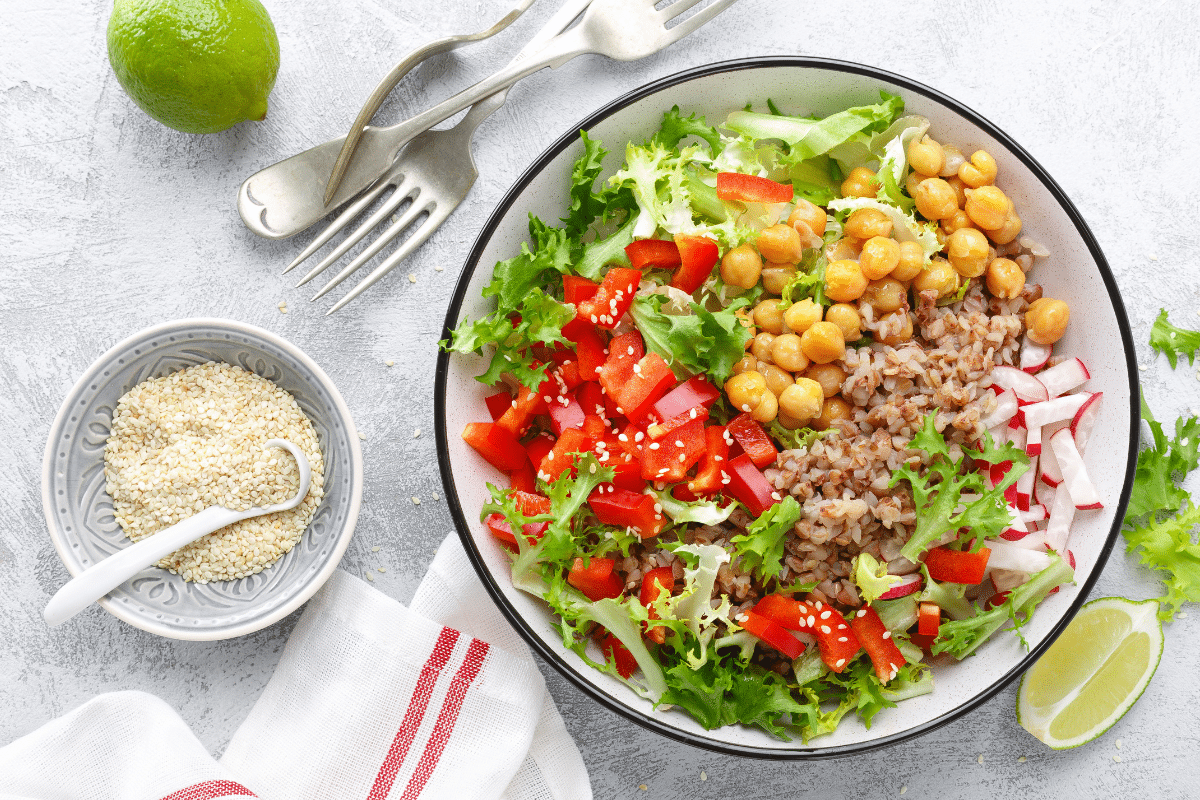
Here are my favorite plant-based protein sources I’ve discovered over the years through experimentation in my kitchen. I used to think getting protein from plants would be boring, but that’s not true. These foods have completely transformed the way I cook and eat.
📌 Pro tip: Get bulk discounts on organic plant proteins at
Legumes: The Protein Foundation
Let’s start with my go-to protein heroes: legumes! These little powerhouses pack a serious protein punch.
- Lentils (18g protein per cup): Red lentils are my go-to for quick meals. They cook in just 20 minutes and make a fantastic curry. Pro tip: Add a pinch of cumin to make them more digestible.
- Black Beans (15g protein per cup): The fiber content here is incredible – 15g per cup! I’ve found they work in literally everything from brownies (trust me!) to burgers. Quick kitchen hack: save the aquafaba (bean liquid) for egg-free baking.
- Chickpeas (14.5g protein per cup): Beyond hummus, these are surprisingly amazing roasted with spices for a crunchy snack. They’re also loaded with iron and magnesium.
Seeds and Nuts
Moving on to seeds and nuts – these are protein bombs in tiny packages:
- Hemp Seeds (10g protein per 3 tablespoons) are my favorite “sprinkle on everything” food. They have a subtle nutty flavor and are packed with omega-3s.
- Chia Seeds (5g protein per 2 tablespoons): These little guys expand in liquid, making them perfect for puddings. They’re also complete proteins!
- Almonds (6g protein per ounce): I keep these at my desk for afternoon snacking. They’re also great blended into homemade almond butter.
Protein-Rich Grains
Let’s talk about whole grains:
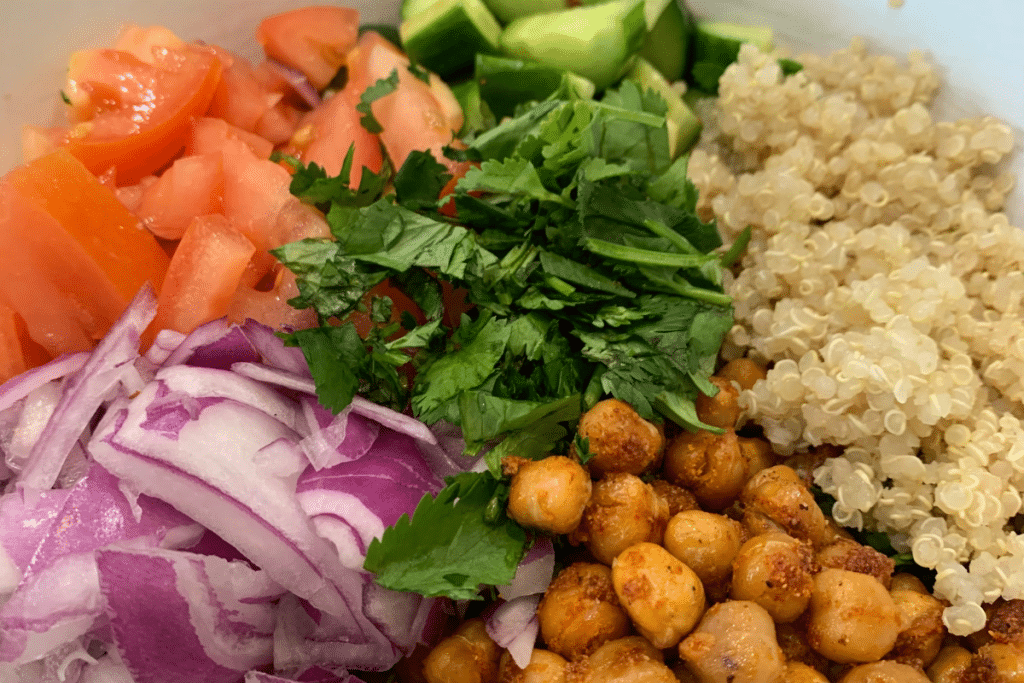
- Quinoa (8g protein per cup): This complete protein cooks in 15 minutes. I batch-cook it on Sundays for the week.
- Amaranth (9g protein per cup): Slightly nutty flavor, making an incredible breakfast porridge. It’s also gluten-free!
- Wild Rice (6g protein per cup): Not technically rice but a grass seed. It’s got more protein and minerals than brown rice.
The Soy Family
The soy family deserves special mention:
- Tempeh (31g protein per cup): Tempeh is my favorite meat alternative. It’s fermented, making it super digestible. Slice it thin, marinate, and crisp it up in a pan.
- Tofu (20g protein per cup): The chameleon of plant proteins! Firm for stir-fries, silken for smoothies. Pro tip: freeze and thaw it for a meatier texture.
- Edamame (17g protein per cup): This is a perfect snack right out of the pod with a little sea salt. I always keep a bag in the freezer.
Alternative Protein Sources
And don’t sleep on these protein-packed alternatives:
- Nutritional Yeast (8g protein per 1/4 cup): It adds a cheesy flavor to everything, and sprinkling it on popcorn is a game changer.
- Seitan (25g protein per 1/4 cup): Made from wheat protein, seitan has the closest texture to meat. It’s great for stir-fries and sandwiches.
- Green Peas (8g protein per cup): The underdog of plant proteins! They’re technically a legume and excellent in everything from soups to pesto.
Here’s what I’ve learned about making these proteins work in real life: start with one new ingredient at a time, experiment with different preparations, and keep it simple. Most of these foods are incredibly versatile. You can blend them into smoothies, add them to salads, or make them the star of your main dish.
Remember, these protein sources aren’t just about the protein content they’re nutrient powerhouses! Each one brings its mix of fiber, minerals, and vitamins to the table. Plus, they’re generally way cheaper than animal proteins, especially when you buy them in bulk. Start with whatever looks least intimidating to you and build from there!
Kitchen-Tested Protein-Rich Recipes
Let me share some of my favorite plant-based recipes I’ve perfected over countless kitchen experiments. These are my go-to meals when I want something high in protein but don’t have hours to spend cooking. Trust me, these recipes have won over even my most skeptical meat-loving friends.
🌱 Stock up on all recipe ingredients at 👉 Thrive Market

Quick and Easy Breakfast Options
The 15-minute Mediterranean Chickpea Scramble has saved my weekday mornings. Here’s how I make it:
- Mash one can of chickpeas with a fork (leave some chunks for texture)
- Sauté with olive oil, minced garlic, and diced red onion
- Add turmeric, cumin, and Mediterranean herbs
- Toss in cherry tomatoes, spinach, and a splash of lemon juice
- Finish with a sprinkle of nutritional yeast for a cheesy flavor
Pro tip: Add black salt (kala namak) for a mind-blowing eggy flavor!
(21g protein per serving)
My Protein-Packed Overnight Chia Pudding is literally “set it and forget it” perfection:
- Mix 1/4 cup chia seeds with 1 cup plant milk
- Add 2 tablespoons hemp seeds and 1 scoop plant protein powder
- Sweeten with maple syrup and vanilla extract
- Let it sit overnight in the fridge
- Top with fresh berries and almond butter
The secret? Using vanilla protein powder makes it taste like dessert!
(24g protein per serving)
Satisfying Main Dishes
The One-Pot Lentil Quinoa Power Bowl is my weeknight savior:
- Rinse 1 cup red lentils and 1/2 cup quinoa
- Add to pot with 3 cups vegetable broth
- Toss in diced carrots, onions, and garlic
- Season with curry powder and a bay leaf
- Simmer for 20 minutes
- Stir in some baby spinach at the end
I usually make a double batch because it’s even better the next day!
(22g protein per serving)
Now, this Tempeh Taco Filling is my secret weapon for converting meat-eaters:
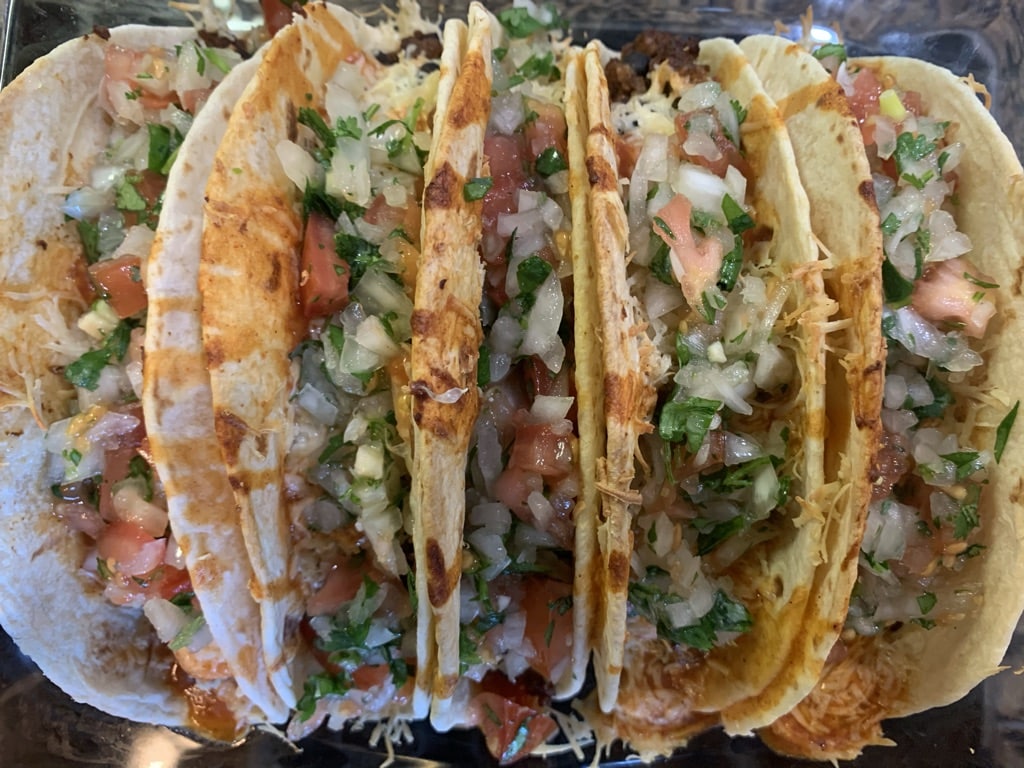
- Crumble one block of tempeh
- Marinate in soy sauce, lime juice, and spices
- Sauté with diced onions and peppers
- Add taco seasoning and a splash of vegetable broth
- Cook until crispy around the edges
The key is getting those crispy bits – where all the flavor lives!
(18g protein per serving)
Protein-Packed Snacks
Finally, my No-Bake Protein Energy Balls have saved me from countless hangry moments:
- Pulse 1 cup of dates and 1 cup of nuts in a food processor
- Add 1/2 cup protein powder, 2 tbsp chia seeds
- Mix in 2 tbsp cocoa powder and a pinch of salt
- Roll into balls and coat with shredded coconut
Store these in the freezer – they taste like cookie dough!
(8g protein per ball)
Quick prep tips I’ve learned the hard way:
- Always rinse quinoa before cooking (removes bitterness)
- Keep canned chickpeas and lentils on hand for last-minute meals
- Batch cook grains and legumes on weekends
- Pre-portion smoothie ingredients in freezer bags
- Stock up on nutritional yeast – it makes everything better!
The best part about these recipes? They’re completely customizable. Don’t like quinoa? Use rice. Not a fan of tempeh? Try crumbled tofu instead. The key is finding what works for your taste buds and schedule. Start with one recipe that looks approachable and build from there. Your future self will thank you for having these protein-packed options in your arsenal!
Meal Planning for Success
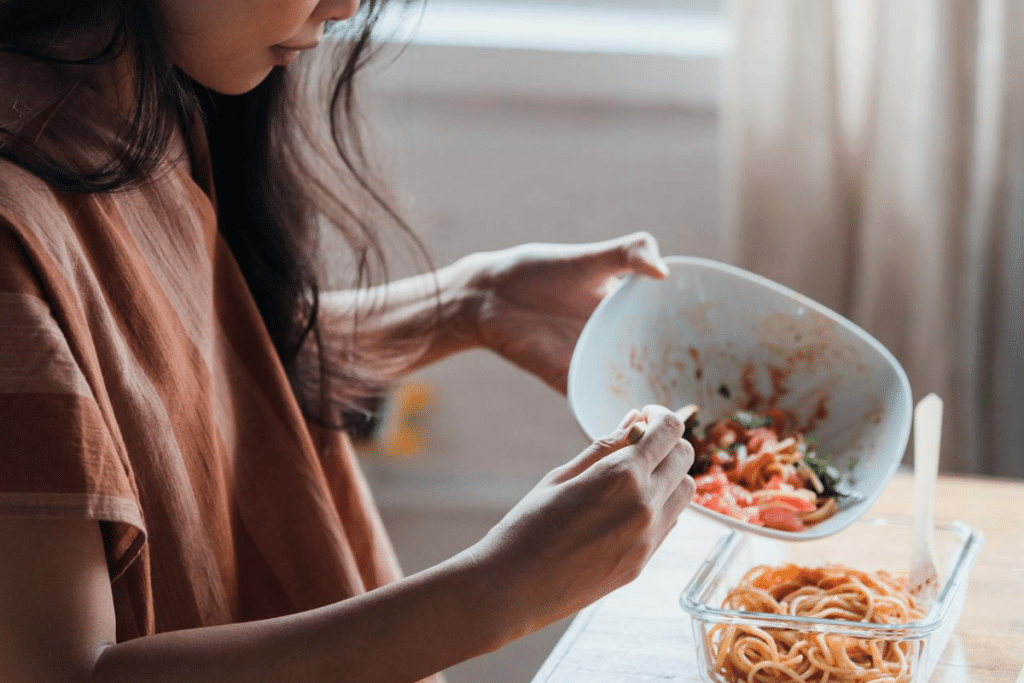
Let me share what I’ve learned about meal planning after years of trying to balance my plant-based protein intake! I used to spend hours stressing about getting enough protein, but now I have a system that makes it almost effortless.
Prep Strategies and Power Combinations
First, let’s talk meal prep it’s been a game-changer for me. Here’s my foolproof Sunday strategy:
- Cook 2 cups of quinoa or brown rice
- Prepare 2 types of legumes (usually lentils and chickpeas)
- Roast a big batch of vegetables
- Make one protein-rich sauce (like hemp seed dressing)
- Portion out chia seeds and nuts for snacks
My go-to power combinations that I always include in my weekly plan:
- Lentil soup + whole grain bread (lunch staple!)
- Quinoa + black beans (base for multiple meals)
- Hummus + whole wheat pita (perfect snack)
- Rice + edamame + tofu (stir-fry night)
- Oats + pumpkin seeds + almond butter (breakfast winner)
Pantry Essentials
Let me share my pantry staples that keep me going strong. You can find all of these staples at Thrive Market for up to 30% off retail prices:
Essential Proteins:
- Dried lentils (red and green)
- Canned beans (black, kidney, chickpeas)
- Quinoa and brown rice
- Nuts and seeds
- Nutritional yeast
- Tempeh and tofu
Quick Tips for Hitting Daily Protein Goals:
- Start your day with protein (think: smoothie with hemp seeds and plant protein)
- Include a protein source in every meal (even snacks)
- Keep protein-rich snacks at your desk (I love tamari almonds)
- Toss a handful of pumpkin seeds on literally everything salads, soups, even your morning oatmeal. They’re like little protein sprinkles!
- Dark chocolate covered almonds count as protein. (And they’re way more fun than protein powder.)
Budget-Friendly Tips
📌 Money-saving strategies I’ve discovered
💰 (Thrive Market members save an average of $30 on each order)

- Buy beans and lentils dry (about 1/3 the cost of canned)
- Stock up on shelf-stable proteins during sales
- Check bulk bins for better prices on quinoa and nuts
- Grow your own sprouts (super cheap protein source!)
- Choose frozen edamame over fresh
- Get tofu from Asian markets (usually half the price)
The biggest lesson I’ve learned? Don’t overcomplicate it! I used to think I needed to track every gram of protein, but now I make sure each meal has:
- A legume or soy product
- A whole-grain
- Seeds or nuts
- Vegetables
I keep a whiteboard on my fridge with this basic template:
Monday: Lentil Buddha Bowl
Tuesday: Tofu Stir-Fry
Wednesday: Bean and Quinoa Tacos
Thursday: Tempeh Curry
Friday: Build-Your-Own Power Bowl
Weekend: Batch cooking and prep
📌 Pro tip: I always double my dinner recipes and have lunch ready for the next day.
This has saved me from countless takeout temptations.
Remember, it’s all about finding a system that works for you. Start with just a couple of days of planning and build from there.
Overcoming Common Challenges
Switching to plant-based proteins comes with some common challenges, but each has practical solutions. Let’s address the main hurdles and how to overcome them effectively.
Texture and Taste Solutions
- Marinate tempeh in soy sauce and liquid smoke for a meaty flavor
- Use mushrooms, especially portobello, for umami richness
- Try TVP (textured vegetable protein) in tacos and chili
- Combine lentils with ground walnuts for a hearty texture
- Properly press and cornstarch-coat tofu for crispiness
- Use seitan for chewy, meat-like texture in stir-fries
Digestive Adjustment Tips
- Introduce new plant proteins gradually, one per week
- Rinse canned beans thoroughly before use
- Add digestive spices like cumin, ginger, or fennel
- Soak nuts and seeds overnight for better digestion
- Increase fiber intake gradually over 4-6 weeks
- Stay well-hydrated during the transition
Athletic Performance Optimization
- Target 1.6-2.0g protein per kg body weight
- Include protein-rich pre/post-workout snacks
- Focus on leucine-rich foods: soybeans, pumpkin seeds
- Combine rice and pea protein for complete amino profiles
- Time protein intake around workouts
- Consider supplementing with creatine (naturally found in meat)
Family-Friendly Approaches
- Start with familiar formats (burritos, burgers)
- Create fun presentations like chickpea “nuggets”
- Offer build-your-own bowl options
- Mix plant proteins into favorite recipes gradually
- Make kid-friendly options like black bean brownies
- Keep meals colorful and visually appealing
Storage and Preparation Guidelines
- Freeze cooked beans in meal-sized portions
- Store nuts and seeds in freezer to prevent rancidity
- Use airtight containers for dry goods
- Prep smoothie packs with measured protein portions
- Label everything with dates
- Keep cooked grains refrigerated for 3-4 days maximum
The key to success is gradual implementation. Start with one meal per day, experiment with different proteins, and monitor how your body responds. Remember that these changes don’t need to be all-or-nothing . Even small shifts toward more plant-based proteins can have significant benefits.
Most importantly, focus on progress over perfection. As your body adjusts and you discover favorite recipes and combinations, incorporating plant-based proteins becomes increasingly natural and sustainable.
Conclusion
The world of plant-based proteins is incredibly vibrant and diverse, offering something for every palate and dietary need. From protein packed lentils and versatile chickpeas to nutrient rich quinoa and satisfying tempeh, these powerhouse ingredients prove that getting adequate protein without animal products isn’t just possible it’s delicious and rewarding!
Throughout this guide, we’ve explored everything from basic protein science to practical meal prep strategies, debunked common myths, and shared kitchen tested recipes that work in real life. The key takeaway? Plant-based proteins are more than just meat alternatives they’re nutritional superstars in their own right, offering fiber, antioxidants, and essential nutrients while being gentle on your wallet and the environment.
Ready to start your plant-protein journey? Remember these key points:
- Begin with familiar foods and gradual changes
- Focus on variety to ensure complete nutrition
- Prep basics like grains and legumes in advance
- Experiment with different cooking methods and seasonings
- Trust your body as it adjusts to these positive changes
Whether you’re an athlete looking to optimize performance, a family seeking healthier meals, or simply curious about incorporating more plant-based options into your diet, the strategies and recipes shared here provide a solid foundation for success. Start small, perhaps with a Meatless Monday dinner or a protein packed breakfast smoothie, and watch as these nutrient-rich foods become natural additions to your daily routine.
The best part? Every plant-based meal you choose makes a positive impact on your health, your budget, and our planet. So grab those lentils, stock up on chickpeas, and get ready to discover just how satisfying and delicious plant-powered eating can be!
🌱 Want to feel better fast?
Eating more plant-based protein is just the beginning.
If you’re ready to boost your energy, focus, and motivation naturally…
👉 Grab my FREE 3-Day Life Reset a simple plan to help you recharge your mind and body with smart nutrition, mindful habits, and a daily routine that actually works.
Note: This guide is for informational purposes only. Always consult with healthcare professionals before making significant dietary changes or starting new supplement regimens.