7 Powerful Anti-Inflammatory Foods to Transform Your Health and Extend Your Life

Chronic inflammation is linked to 7 of the top 10 leading causes of death worldwide, including heart disease, arthritis, and cognitive decline. While inflammation is your body’s natural defense system, when it becomes chronic, it can silently damage your health over time.

But here’s the exciting news: cutting-edge research in longevity science has identified powerful foods that can help fight this harmful inflammation!
This post contains affiliate links. I may earn a commission at no extra cost to you.
From vibrant berries bursting with antioxidants to golden spices packed with healing compounds, these anti-inflammatory powerhouses aren’t just delicious; they’re scientifically proven to support a longer, healthier life.
🛒 Quick Tip: Want to start fighting inflammation today?
I recommend Thrive Market to get these healthy foods at 25-50% below retail. They’re my go-to for organic, non-GMO versions of everything discussed below.
👉 Get 30% off your first order here
In this post, we’ll explore 7 remarkable anti-inflammatory foods that can help combat chronic inflammation and potentially add years to your life. Ready to transform your health through the power of nutrition? Let’s dive into these natural inflammation-fighters and discover how they can work for you!
What Is Inflammation, and Why Does It Matter?
You’ve seen inflammation if you’ve ever had a swollen ankle after a bad twist or a cut that got red and warm. It’s like your body’s built-in alarm system calling for reinforcements to fix what’s broken. That’s acute inflammation short lived, purposeful, and honestly impressive. It’s the reason your body heals when you bang your knee or fight off a nasty cold. But here’s the thing: it’s a different story when that alarm system never shuts off.
Chronic inflammation is like a fire that smolders under the surface. You don’t see it, but it’s there, quietly damaging tissues and throwing your body out of balance. This type of inflammation is linked to many health problems—heart disease, diabetes, arthritis, and even wrinkles (yep, it speeds up aging). Imagine your body stuck in “fight mode” for years. That constant stress wears you down, and it can shave years off your life over time.
It gets tricky here: chronic inflammation doesn’t come with obvious warning signs. You won’t feel a fever or swelling, but it’s happening inside, driven by poor diet, lack of sleep, and stress. That’s why it’s such a big deal by the time you notice the effects, it’s often too late to prevent the damage. And let me tell you, I learned this the hard way. A few years ago, I was burning the candle at both ends fast food, excessive alcohol, minimal exercise, and constant stress from work. I thought I was “fine,” but my blood tests painted a different picture: elevated markers of inflammation. Not fun.
So, what’s fueling this invisible fire? Lifestyle is a huge factor. Diet is probably the biggest culprit too much sugar, processed junk, and bad fats can keep your inflammation levels sky high. It’s no surprise that anti-inflammatory diets (think lots of fruits, veggies, whole grains, and healthy fats) are so popular. Sleep matters, too. When you’re sleep deprived, your body doesn’t have time to repair itself, and inflammation levels rise. Oh, and stress? That’s the sneaky one. Chronic stress pumps out cortisol, which can make inflammation worse over time.

Start small if you’re wondering how to tell if inflammation is an issue for you. Pay attention to how you feel after meals do you bloat or feel sluggish? Are you waking up tired even after a full night’s sleep? These can be subtle signs. The good news is that you can reverse chronic inflammation with some fundamental changes. I’m talking about small steps, like swapping sugary snacks for a handful of nuts or adding leafy greens to your meals. I started drinking green tea daily (pro tip: add lemon boosts the antioxidants), and my energy levels have improved.
Bottom line? Inflammation isn’t just about healing a sprain or fighting off a cold. When it turns chronic, it can quietly sabotage your health and longevity. But the power to combat it is on your plate and how you live daily.
💡 Save Money on Anti-Inflammatory Foods:
I get most of my healthy pantry staples from Thrive Market they offer wholesale prices on organic and natural foods.
How Anti-Inflammatory Foods Contribute to Longevity
It’s mind-blowing to realize how much your diet impacts your mood today and your health down the line. I’ll admit, I used to think eating “healthy” was all about weight loss. But when I started digging into the science of anti-inflammatory foods, it hit me: this isn’t just about dropping a few pounds. It’s about living longer and enjoying those extra years.
Understanding Anti-Inflammatory Foods
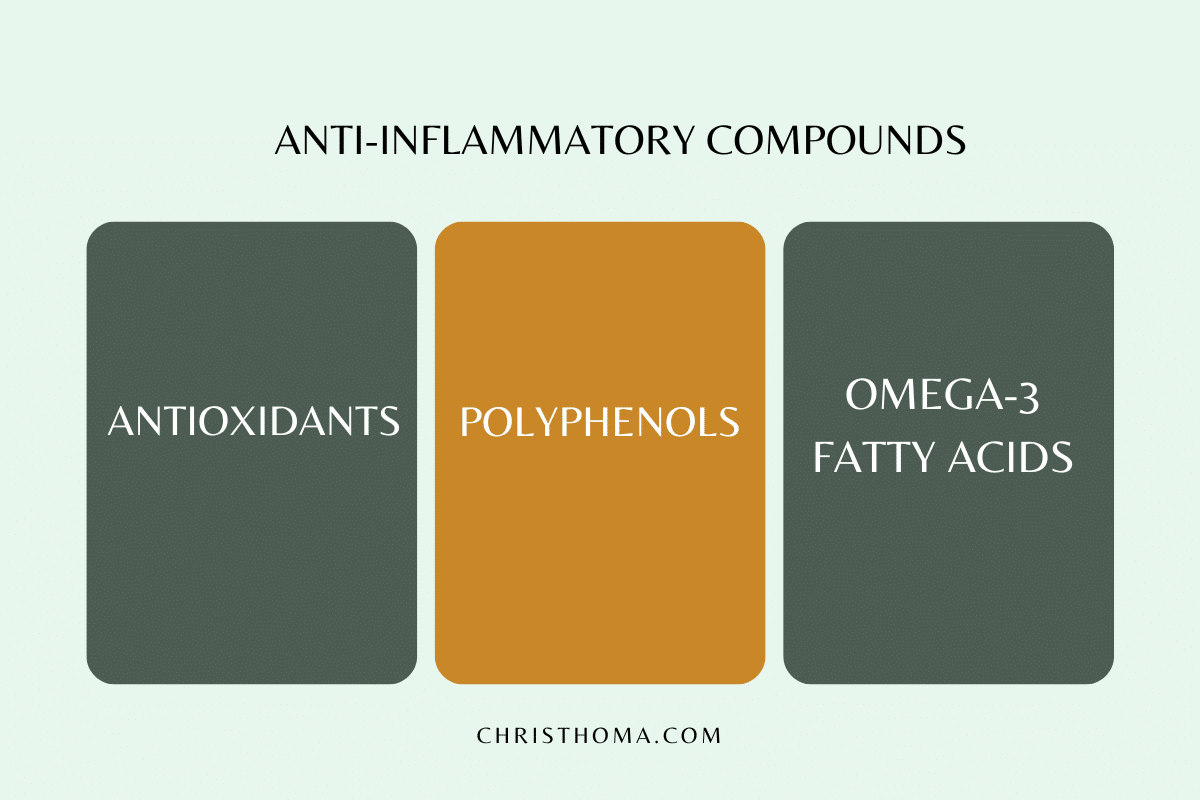
Anti-inflammatory foods work through powerful compounds that act as cellular protectors:
- Polyphenols found in berries, green tea, and dark chocolate serve as natural defenders, fighting off harmful free radicals that can damage cells and speed up aging. These compounds are like microscopic guardians protecting your cellular health.
- Antioxidants, abundant in leafy greens and turmeric, work as cleanup crews, neutralizing the damage caused by free radicals. They’re essential for maintaining cellular balance and preventing long-term damage.
- Omega-3 fatty acids act as natural mediators, helping to balance out the inflammatory effects of omega-6 fatty acids commonly found in processed foods. They’re particularly powerful when consumed through foods like walnuts and flaxseeds.
Key Health Benefits
Your Heart: Chronic inflammation can silently damage your arteries over time, potentially leading to serious cardiovascular issues. Adding omega-3-rich foods like walnuts and flaxseeds to daily meals can significantly improve heart health.
Your Brain: The connection between inflammation and cognitive health is significant. Regularly consuming foods like blueberries and green tea can help protect brain cells and improve focus. Getting enough quality sleep is also crucial for brain health.
📌 Pro Tip: Adding lemon and honey to green tea makes it more enjoyable while maintaining its benefits.

Cellular Health: Anti-inflammatory foods support your body’s natural repair processes. Think of it as preventive maintenance for your cells. Turmeric, particularly its compound curcumin, excels at this. Try it in soups or as a warming golden milk latte.
Making It Work For You
The key to success with anti-inflammatory eating isn’t perfection. It’s consistency. Start with simple swaps:
- Replace afternoon snacks with a handful of nuts
- Add spinach to your morning smoothie
- Switch from soda to green tea
- Sprinkle flaxseeds on your breakfast
Remember, these small changes compound over time to create significant health benefits for your future self.
Top 7 Anti-Inflammatory Foods That Promote Longevity
When I first heard about “anti-inflammatory foods,” I figured it was another health fad. But once I started researching, I realized these foods aren’t just trendy. They’re backed by science and can seriously upgrade your health. Here are seven superstar anti-inflammatory foods, how they work, and some practical ways to add them to your daily life.
1. Turmeric
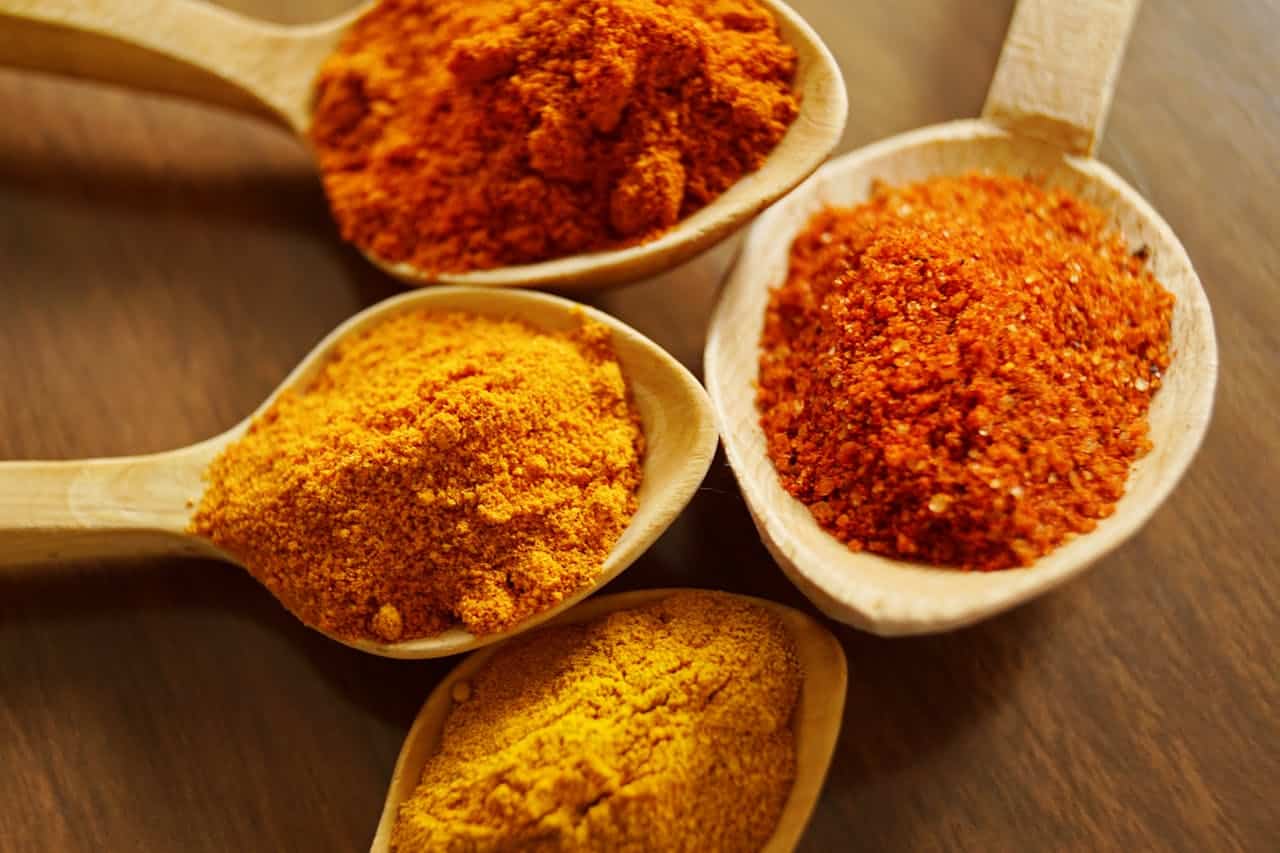
Turmeric is like the golden child of anti-inflammatory foods. Its key compound, curcumin, has been shown to reduce inflammation and even help with conditions like arthritis. But here’s the thing: curcumin isn’t easily absorbed by the body unless you pair it with black pepper.
One of my favorite ways to use turmeric is in golden milk, a warm drink made with turmeric, black pepper, and almond milk. It’s soothing and surprisingly delicious. You can also toss turmeric into soups and curries or even sprinkle it on roasted veggies. Please don’t overdo it; a little goes a long way unless you want everything in your kitchen to turn yellow (been there!).
2. Blueberries
These tiny berries pack a considerable punch. They’re loaded with antioxidants and anthocyanins, which help fight inflammation and protect cells from oxidative stress. Honestly, I always keep a bag of frozen blueberries in my freezer.
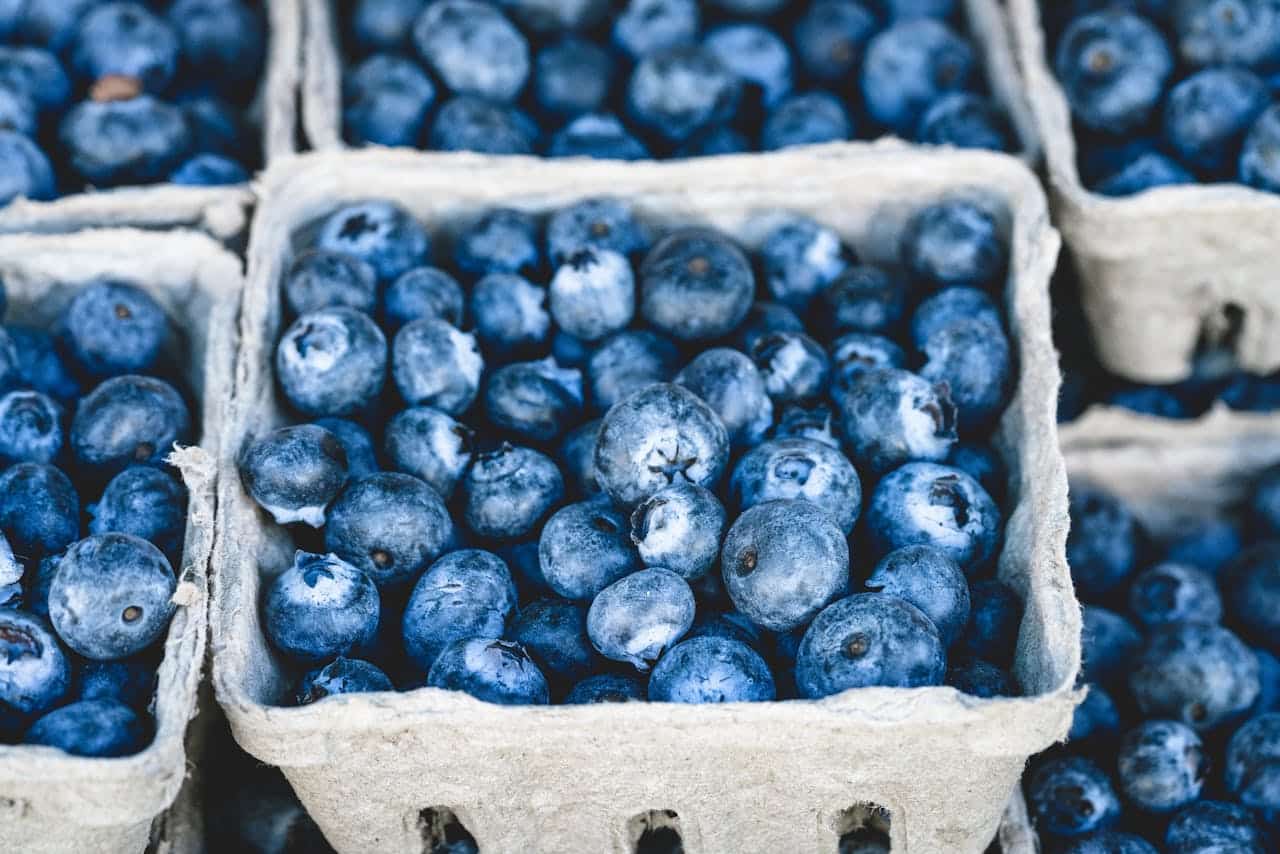
You can eat them straight, throw them into a smoothie, or top your oatmeal with a handful. And if you’re feeling fancy, try a blueberry chia seed pudding. It’s a quick, no cook breakfast that’s as Instagram-worthy as it is healthy.
3. Leafy Greens (Kale, Spinach, Swiss Chard)
Leafy greens are the OG health food. They contain vitamins (A, C, and K) and anti-inflammatory compounds like flavonoids. The best part? They’re super versatile.
Raw spinach is great in salads or smoothies, but cooking it can unlock more nutrients. I like to sauté Swiss chard with garlic and olive oil for a simple side dish. Kale chips, anyone? They’re ridiculously easy to make and way cheaper than the store-bought kind.
4. Sweet Potatoes
Sweet potatoes might be the ultimate comfort food that’s good for you. They’re high in beta-carotene, a powerful antioxidant that your body converts into vitamin A. Plus, they’re rich in fiber, which helps keep your gut healthy, a key factor in fighting inflammation.
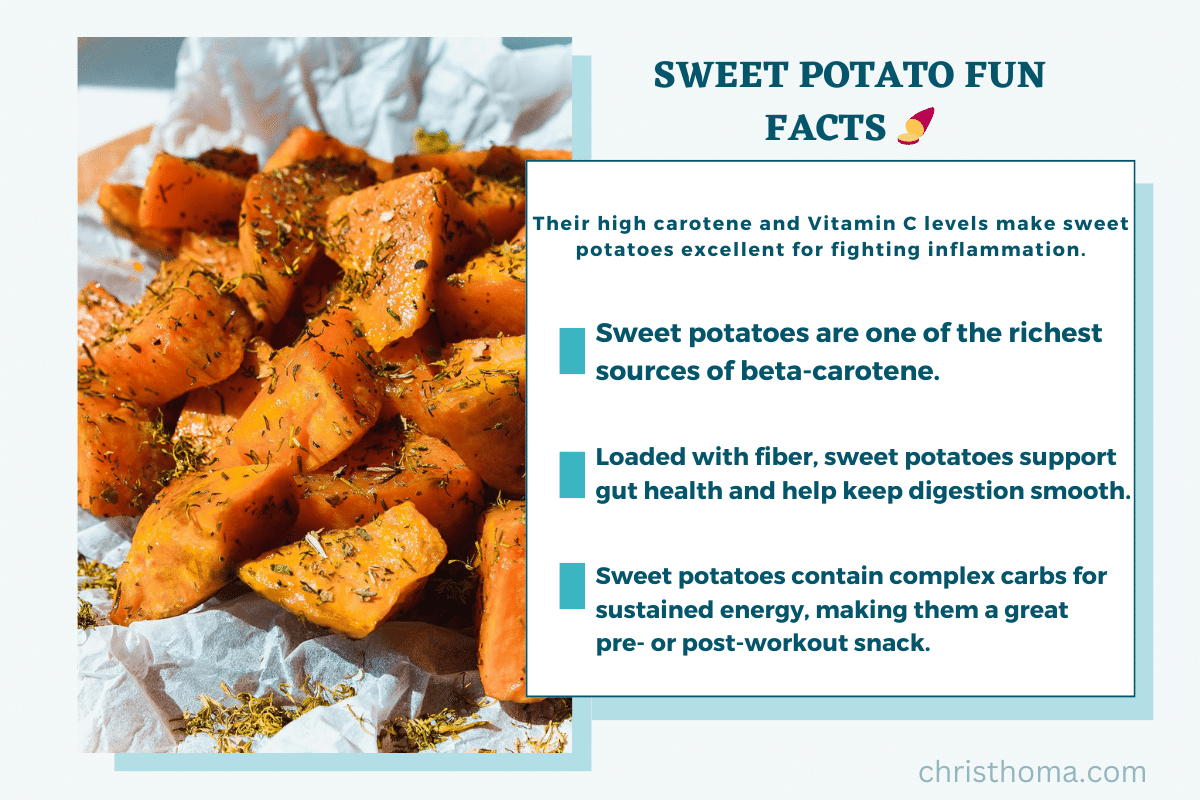
I love roasting sweet potatoes with a drizzle of olive oil and a sprinkle of cinnamon for a sweet and savory combo. You can also mash them, add them to soups, or bake them into crispy fries. They’re the kind of food that feels indulgent but comes with zero guilt.
5. Nuts and Seeds (Walnuts, Flaxseeds, Chia Seeds)
Nuts and seeds are small but mighty when it comes to nutrition. They’re packed with healthy fats, protein, and fiber, making them a perfect anti-inflammatory snack. Walnuts, in particular, are rich in omega-3s, while flaxseeds and chia seeds are loaded with lignans and other anti-inflammatory compounds.
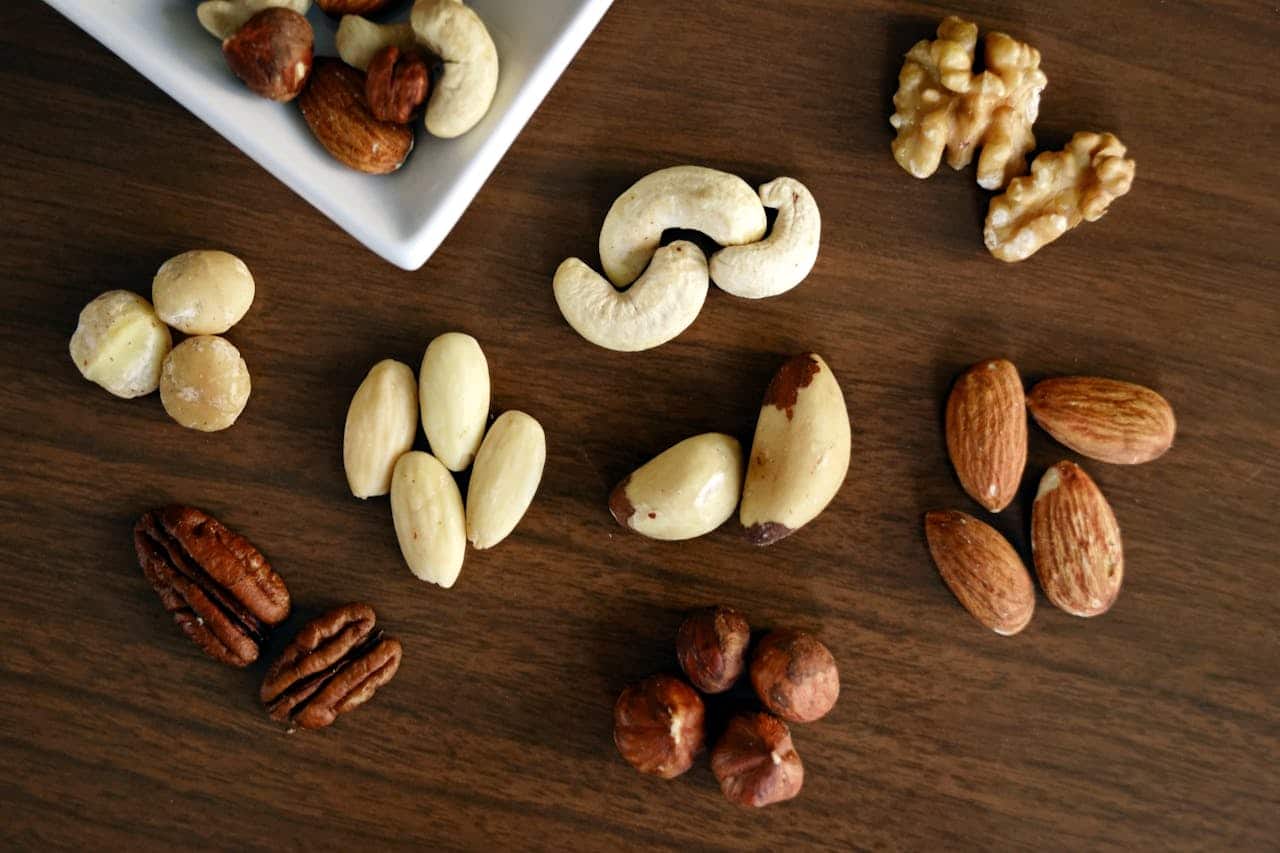
Sprinkle flaxseeds on your cereal or mix chia seeds into your yogurt. I even make overnight oats with almond milk, chia seeds, and a handful of walnuts it’s like dessert for breakfast but super healthy.
6. Olive Oil (Extra Virgin)
You’re missing out if you’re not using extra virgin olive oil (EVOO) yet. It contains oleocanthal, a compound that acts like a natural anti-inflammatory (fun fact: it works similarly to ibuprofen!). It’s also full of healthy monounsaturated fats that support heart health.
EVOO is a staple in my kitchen. I drizzle it over salads, use it for roasting veggies, and even dip crusty whole-grain bread into it. Just make sure you’re buying high quality olive oil; the cheap stuff doesn’t have the same benefits.
7. Green Tea
When I first tried green tea, I thought it tasted like grass water. But now? It’s my go-to for a mid-afternoon pick-me-up. Green tea is rich in catechins, which help fight inflammation and support brain health.
The trick to making green tea taste good? Don’t overstep it; water is perfect for two to three minutes in hot (not boiling). Add a squeeze of lemon for extra antioxidants and a touch of honey if you like it sweet. Matcha is another great option; it’s powdered green tea, so you get even more nutrients in every sip.
📌 Pro Tip: Finding high-quality versions of these anti-inflammatory foods doesn’t have to break the bank.
That’s why I get mine from Thrive Market. Their prices are typically 25%-50% below retail, and they deliver right to your door.
Other Lifestyle Tips to Maximize Anti-Inflammatory Benefits
Eating anti-inflammatory foods is a fantastic start, but if you want to level up, you need to consider the bigger picture. Trust me, I learned this the hard way. For years, I thought swapping chips for kale was enough, but my stress-filled, sleep-deprived, and coffee-fueled lifestyle said otherwise. Spoiler alert: it wasn’t. Here’s what I’ve discovered through trial and error and a few “aha!” moments.
Start With a Balanced, Whole-Foods Diet
Okay, I know you’ve heard this a thousand times, but a balanced diet is the foundation for reducing inflammation. Think of your body as a car. If you’re filling it with junky, processed fuel (hello, fast food and sugary snacks), it’s going to sputter along. But when you give it clean, whole foods—like fresh veggies, fruits, whole grains, and plant-based proteins it purrs like a dream.
Here’s what worked for me: meal prepping. I’m not talking about spending an entire Sunday cooking, either. Just chopping veggies for the week or cooking a big batch of quinoa can save you time and stress later. And don’t skimp on healthy fats like avocados and nuts. They’re anti-inflammatory powerhouses. If you’re like me and have a sweet tooth, try satisfying it with something like dark chocolate or berries instead of those “mystery ingredient” desserts.
Hydration, Sleep, and Stress Management: The Underrated Heroes
Let’s talk hydration first. Did you know dehydration can increase inflammation? I didn’t until I started noticing how I felt after drinking enough water versus a day of chugging coffee. These days, I aim for at least 8 glasses a day and jazz it up with lemon slices or cucumber when plain water feels boring.

Now, sleep. This is a game-changer. I used to think I could “catch up” on weekends, but guess what? Chronic sleep deprivation can crank up inflammation levels. Seven to nine hours of quality sleep is the sweet spot for most people. If you’re a night owl like me, try winding down with a book instead of doom-scrolling on your phone (blue light is no joke).
Finally, stress. This one’s tricky because life is, well, stressful. But unmanaged stress pumps out cortisol, a hormone that fuels inflammation if it’s constantly elevated. I’ve found that even 10 minutes of mindfulness or deep breathing helps. And while yoga isn’t for everyone, it works wonders for me when feeling frazzled. Find what calms you by journaling, meditating, or just walking outside.

Move Your Body—But Don’t Overdo It
Here’s something I didn’t realize at first: exercise is a double-edged sword. When done right, it lowers inflammation and boosts endorphins (yay for happy hormones!). But overdoing it, especially with high-intensity workouts, can increase inflammation. Yeah, that was a tough pill for someone who thought more sweat = more results.
Now, I mix it up. Gentle activities like walking, yoga, or cycling are my go-to on busier or stressful days. Strength training several times weekly is essential for keeping my joints and muscles happy. Even short bursts of movement, like 10-minute sessions during a workday, can make a big difference. If you’re starting, don’t feel you need to train for a marathon. The goal is consistency, not perfection.
Maximizing the benefits of an anti-inflammatory lifestyle is about more than just food. It’s a full-body approach. Hydrate, sleep well, find ways to manage stress, and move your body. It’s all connected. Start small. Replace one sugary drink with water, or take a 15-minute walk after lunch. The key is finding what works for you and sticking with it.
Frequently Asked Questions About: Anti-Inflammatory Foods
When I first started learning about anti-inflammatory foods, I had many questions. Could a few blueberries make a difference? And what about supplements are they a shortcut? If you’re wondering the same things, let’s dive into some FAQs and clear up the confusion.
Can These Foods Reverse Chronic Inflammation?
The short answer? Kind of, but it’s not magic. Chronic inflammation builds up over time, usually due to poor diet, stress, lack of sleep, and other factors. Adding anti-inflammatory foods to your meals can help reduce it, but reversing chronic inflammation takes a holistic approach. Think of these foods as tools in your toolbox. They’re essential but work best when paired with other healthy habits.
For me, the change wasn’t overnight. After consistently eating more leafy greens, turmeric, and walnuts, I noticed more energy and less bloating within a few weeks. But here’s the key: it wasn’t just about the food. I also started cutting back on processed junk and managing stress better. So yes, these foods can play a significant role in reversing chronic inflammation, but you’ve got to meet them halfway.
How Often Should You Eat Them to See Results?
Consistency is the name of the game. You will be disappointed if you expect a single bowl of kale to work miracles. The best results come when anti-inflammatory foods are a regular part of your diet. Ideally, try to incorporate them into most meals. Maybe add some blueberries to your breakfast, a handful of nuts as a snack, and a drizzle of olive oil on your dinner salad.
When I started, I aimed for one anti-inflammatory food at every meal. Some days, it was a turmeric latte in the morning, spinach in my lunch wrap, and roasted sweet potatoes at dinner. On other days, it was just a big salad loaded with avocado and walnuts. The key is finding ways to make it easy and enjoyable, so it becomes second nature.
Are Supplements a Good Alternative to These Foods?
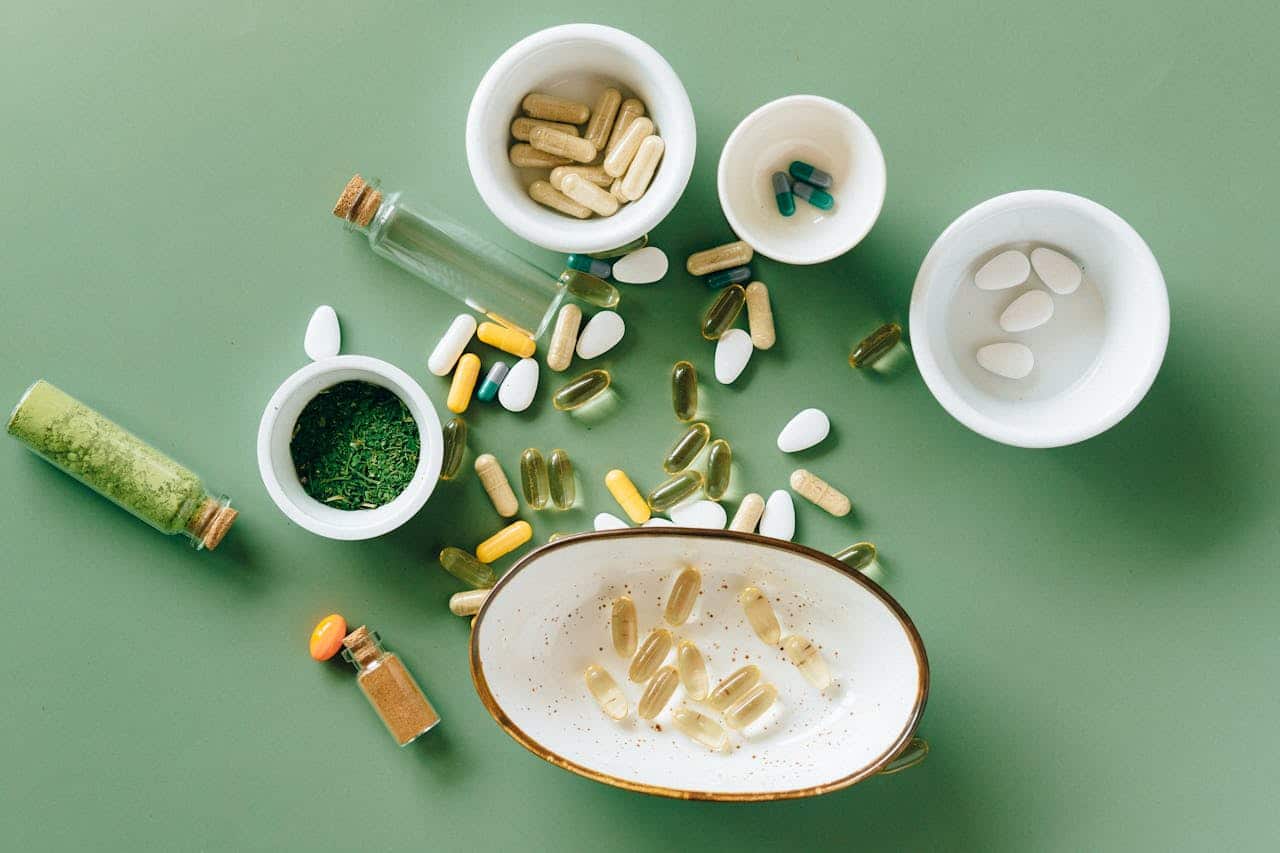
Ah, the age-old question: can’t I pop a pill? Supplements can be helpful, but they’re not a perfect substitute for whole foods. Whole foods come with a package deal. They’re full of fiber, vitamins, and other nutrients that work together to fight inflammation.
For example, turmeric supplements might deliver a higher dose of curcumin. Still, you’re not getting the full benefit without black pepper or fat (which helps absorption).
Supplements can be a great addition if you struggle to get certain nutrients from your diet. I take an omega-3 supplement because, as a plant-based eater, I don’t get it from fish. But even with that, I prioritize whole sources like flaxseeds and chia seeds. My advice? Use supplements to fill in gaps, not replace real food. Always check with a healthcare provider before diving into a supplement routine. They can be tricky to navigate.
Anti-inflammatory foods aren’t a quick fix but are a powerful piece of the puzzle. They can help reduce chronic inflammation only with consistent, healthy habits. Try incorporating them into your daily meals, but don’t stress about perfection. Every little bit counts. And if supplements seem like a good option, use them as a backup plan, not the main event. Your body will thank you for putting in the effort!
Ready to Start Your Anti-Inflammatory Journey?
Want to make these healthy changes easier and more affordable? Thrive Market is my secret weapon for getting premium, organic versions of all these anti-inflammatory foods at wholesale prices.
Conclusion
Adding these anti-inflammatory foods to your diet is one of the most powerful steps toward a longer, healthier life. Consistency is key; even small daily changes can lead to significant long-term benefits. Start incorporating these foods into your meals today, and give your body the anti-inflammatory support it needs to thrive well into the future.
💡 Want a simple way to lower inflammation and boost your energy?
You don’t need to overhaul your entire life.
Start with my FREE 3-Day Life Reset a beginner-friendly plan built around anti-inflammatory meals, daily habits, and mindful routines designed to reduce stress, support recovery, and help you feel better fast.
👉 Download it HERE and take the first step toward a longer, healthier life.
Note: This guide is for informational purposes only. Always consult with healthcare professionals before making significant dietary changes or starting new supplement regimens.