Plant-Based Diet for Longevity: A Science-Backed Guide to Living Longer Through Food (2025)

Picture this: communities worldwide where people routinely live past 100, staying active and vibrant well into their golden years. What’s their secret? It’s simpler than you might think. They eat mostly plants! I was amazed when I discovered that switching to a plant-based diet could add up to a decade to our lives. Don’t worry if you’re thinking, “But I’m already in my 40s, 50s, or 60s.” Research shows it’s never too late to benefit from this change.
Note: This post contains affiliate links. I may earn a small commission at no extra cost to you.
The Science Behind Plant-Based Diets and Longevity:
Let me tell you about my journey into understanding how plant-based diets affect our lifespan, and wow, what an eye opener it’s been! After switching to this lifestyle about 10 years ago, I experienced incredible changes that made me realize this wasn’t just another trendy health claim. My energy levels soared, my mind became calmer and clearer, and I even started sleeping better at night. These personal transformations sparked my curiosity, leading me to spend countless hours diving into books and researching the connection between plant-based eating and longevity.
Blue Zones and Longevity
- Communities like Okinawa, Japan, and Sardinia, Italy showcase remarkable patterns of disease prevention and healthy aging
- The China Study revealed strong correlations between plant-based diets and reduced risks of chronic diseases
- Population studies consistently demonstrate lower rates of heart disease in predominantly plant-based communities
What really struck me about the research is that populations with high plant food consumption consistently show lower rates of chronic diseases. The data from The China Study, one of the most extensive studies on diet and health, revealed strong correlations between plant-based diets and reduced risks of chronic diseases, including heart disease.
Key Longevity Insights
- People in Blue Zones routinely live past 100 while maintaining active, healthy lives
- Plant-based eating can add up to 10 years to your lifespan
- It’s never too late to start benefits begin at any age
- Just adding more plants to your current diet shows measurable benefits
- The body has an amazing ability to repair itself when given the proper nutrients
The Blue Zone Blueprint
When I first started researching longevity, I was captivated by the Blue Zones where people seem to have cracked the code of healthy aging. These communities weren’t following complicated diet plans or counting calories. Instead, they were naturally eating abundant plant foods as part of their daily lives. What really struck me was how these centenarians weren’t just surviving they were thriving! They were still gardening, socializing, and enjoying life well into their 90s and beyond.

Blue Zone Success Factors:
- Simple, natural eating patterns focused on whole plant foods
- Strong community connections and active lifestyles
- Lower rates of chronic diseases and cognitive decline
- Majority of calories come from plants, especially legumes
- Regular consumption of leafy greens and seasonal vegetables
- Limited processed food intake
- Daily movement integrated naturally into life
The Power of Plant Compounds
Let me break down one of the key compounds in plant foods that contribute to longevity. Polyphenols. These powerful antioxidants are absolute superstars. You’ll find them in berries, dark leafy greens, green tea, and even your morning coffee (yep, coffee counts as a plant!).
Just as metal rusts over time, our bodies can undergo a similar process known as oxidative stress. Polyphenols help fight inflammation by reducing oxidative stress.
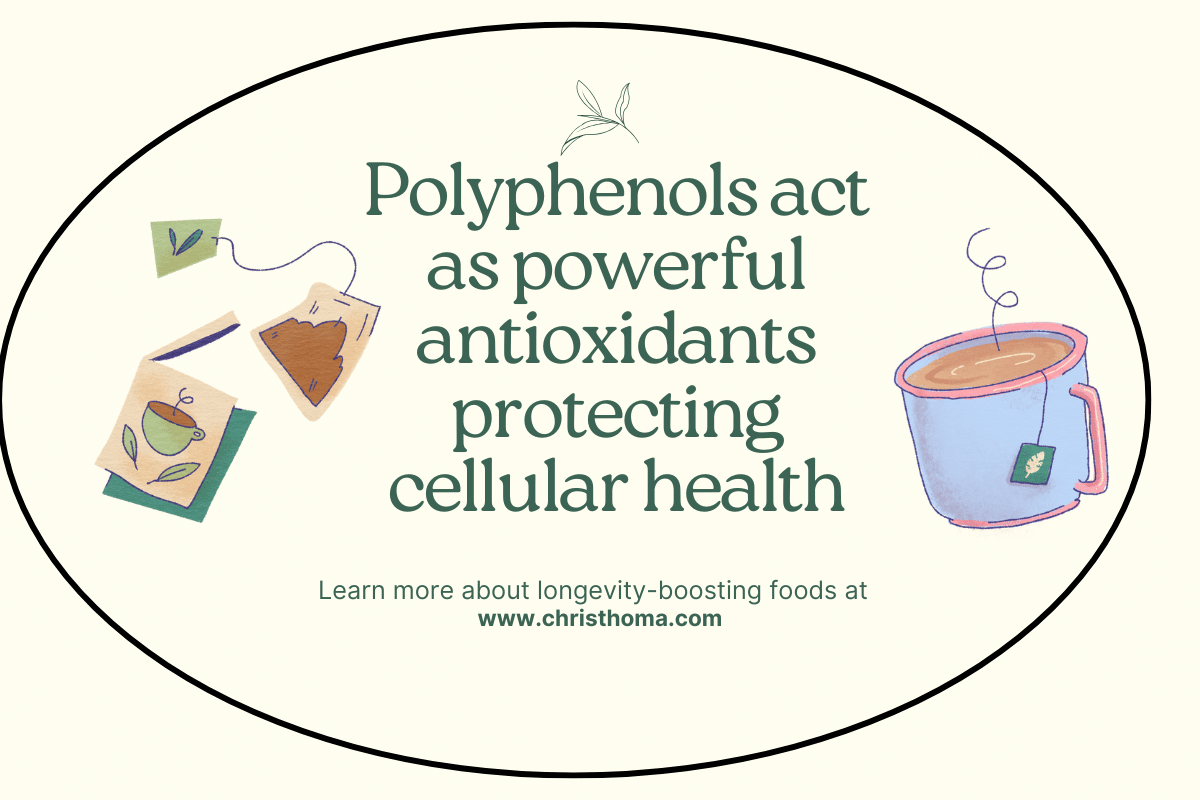
Plants are rich in polyphenols, which act as our body’s personal anti-rust agents. Learning about this completely transformed my perspective on my daily food choices. That morning smoothie? It’s not just breakfast; it’s a potent source of cell-protecting compounds. Those vibrant bell peppers in your salad? They’re actively fighting aging at the cellular level!
The Healing Power of Plants
- Rich in disease-fighting antioxidants
- Natural anti-inflammatory properties
- Supports cellular repair and renewal
- Provides fiber for gut health and longevity
- Contains thousands of phytonutrients science is still discovering
- Helps maintain healthy weight naturally
- Supports improved energy and mental clarity
- Promotes better sleep and recovery
- Enhances skin health and natural glow
- Supports sustainable energy throughout the day
What I love most about this way of eating is how it connects us to both ancient wisdom and modern science. Those centenarians in the Blue Zones aren’t counting calories or obsessing over macros they’re simply eating real, whole plant foods in a way that’s natural and enjoyable. They’re sharing meals with loved ones, growing their own vegetables when possible, and staying active through daily activities they enjoy.
The Science of Cellular Age
One of the most fascinating aspects of plant-based eating is its impact on telomeres, the protective caps on our DNA that act as markers of cellular age. Research has revealed that individuals following plant-based diets typically maintain longer telomeres, effectively keeping their cells biologically younger. This connection between proper sleep, diet, and cellular aging demonstrates how food choices and lifestyle influence our body’s aging process.
Quality Matters: Not All Plant-Based Foods Are Equal
It’s crucial to understand that simply eliminating animal products isn’t enough. Ultra processed vegan snacks and convenience foods won’t provide the same longevity benefits as whole, minimally processed plant foods. The key lies in focusing on natural, nutrient-rich options that support overall health.
A Sustainable Approach to Change
Remember that transitioning to a plant-based diet isn’t about achieving perfection. It’s about making gradual, sustainable changes that align with your lifestyle. Each additional serving of vegetables, legumes, or whole grains is a step toward better health. Start small, learn continuously, and celebrate your progress along the way.
Your future health will reflect the dietary choices you make today. By understanding these key principles and learning from others’ experiences, you can make a smoother transition to a plant-based lifestyle that supports your long-term wellbeing.
What to Eat on a Plant-Based Diet for Longevity and Better Health:
When I first started eating plant-based, I thought it was all about endless salads and bland tofu. Sure, those have their place (and I’ve learned to love a good tofu scramble), but I quickly realized a plant-based diet could be super diverse, colorful, and downright delicious if you know what to include. Plus, when eating for longevity and health, the focus shifts from avoiding animal products to packing as much nutrient density as possible. Here’s what I’ve learned through trial and error and some serious food nerding out.
1. Whole Foods Are the Real MVP
This might sound basic, but sticking to whole, unprocessed foods is a game changer. Think leafy greens, cruciferous veggies (hello, broccoli and Brussels sprouts!), legumes, whole grains, nuts, and seeds. These foods contain vitamins, minerals, and antioxidants that help fight inflammation, a key factor in aging and chronic disease.
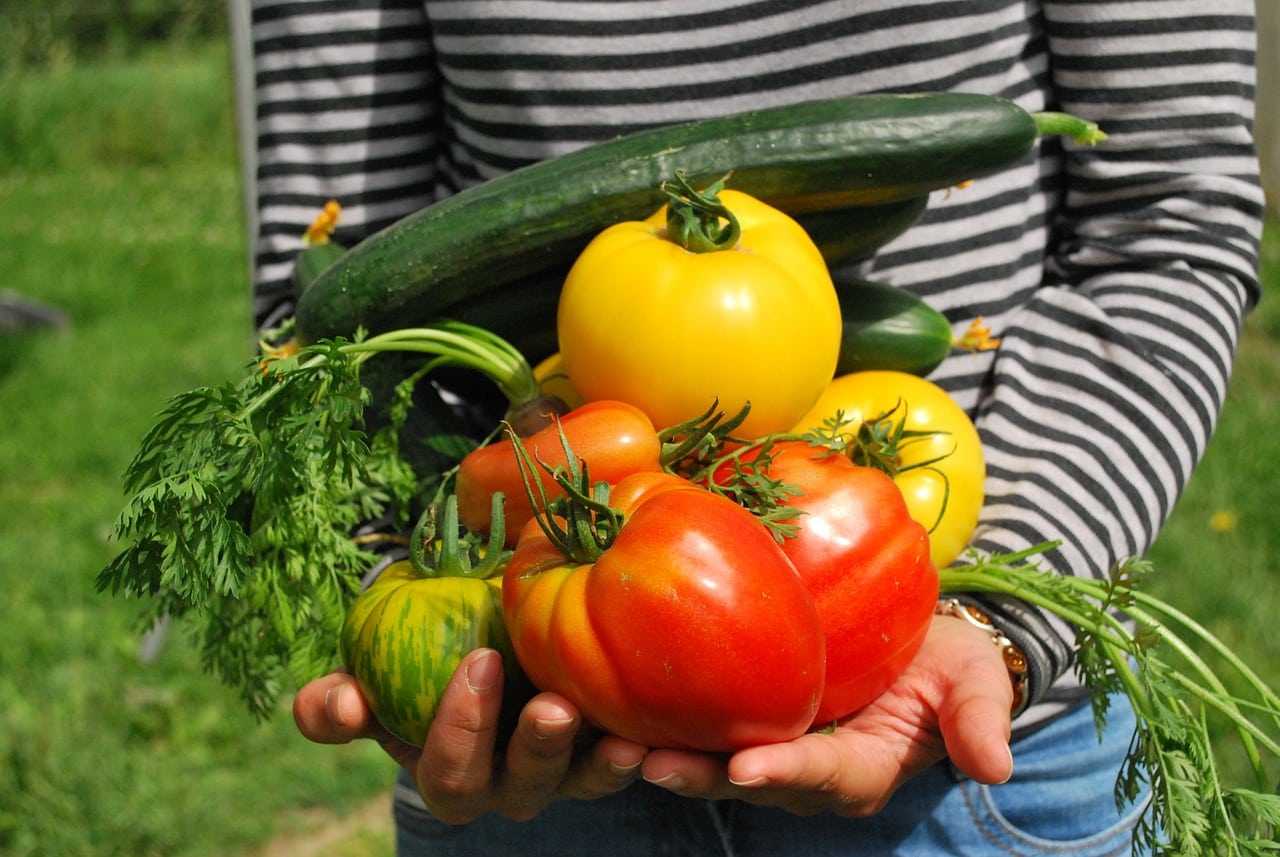
I used to grab all those fancy vegan snacks at the store, thinking anything vegan was healthy. But honestly, they didn’t leave me feeling great. I learned that just because something is labeled “vegan” doesn’t automatically make it nutritious many vegan convenience foods are packed with refined oils, artificial preservatives, and added sugars, which are all horrible for your health.
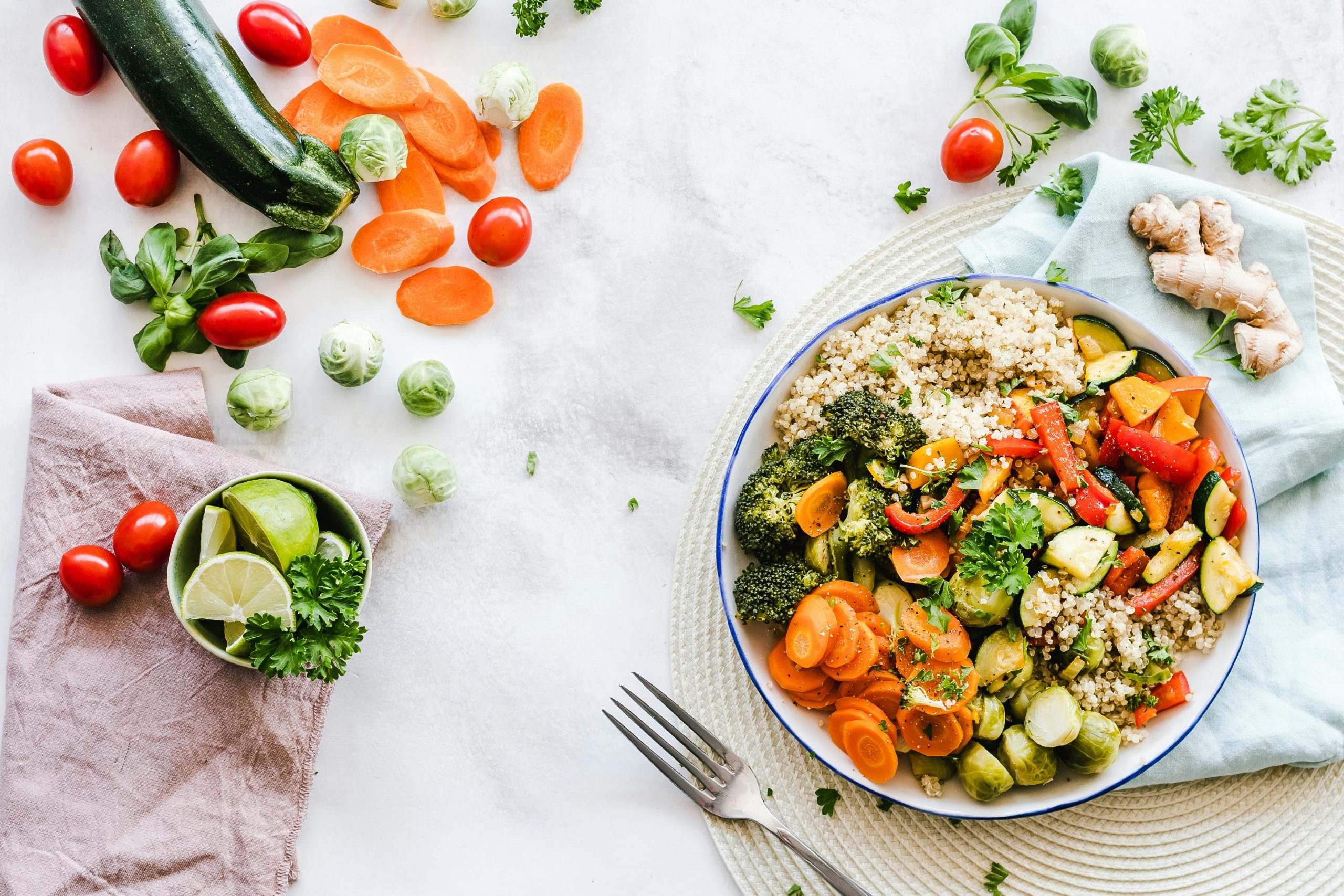
Instead, I’ve shifted to eating whole, plant-based foods like legumes, vegetables, and nuts, which are naturally rich in anti-inflammatory compounds. My body knows the difference! Now, I aim for meals that are at least 80% whole food. For example, I’ll build a bowl with quinoa, roasted sweet potatoes, sautéed kale, chickpeas, tahini dressing, and maybe a sprinkle of hemp seeds. It’s filling, nutrient-dense, and way more satisfying than you’d think.
2. Prioritize Protein
Initially, I found protein to be quite a mystery. How much do you need? You require more than I initially thought, especially if you’re active. Foods like lentils, tempeh, tofu, and edamame are excellent sources. One helpful tip is to pair these with whole grains like brown rice or quinoa to achieve a complete amino acid profile.
One mistake I made early on was relying too heavily on nuts and seeds for protein. While healthy, they are calorie-dense and not as rich in protein as expected. Now, I treat them as a garnish rather than the primary source of protein. A handful of walnuts on my oatmeal? Absolutely. But a whole bag of cashews as a snack? Not so much.
3. Get Those Healthy Fats
Healthy fats are key to longevity. Avocados, flaxseeds, chia seeds, and walnuts are my go-to for omega-3s, which are amazing for brain health and reducing inflammation. I sprinkle ground flax on everything, from smoothies to oatmeal to soups.
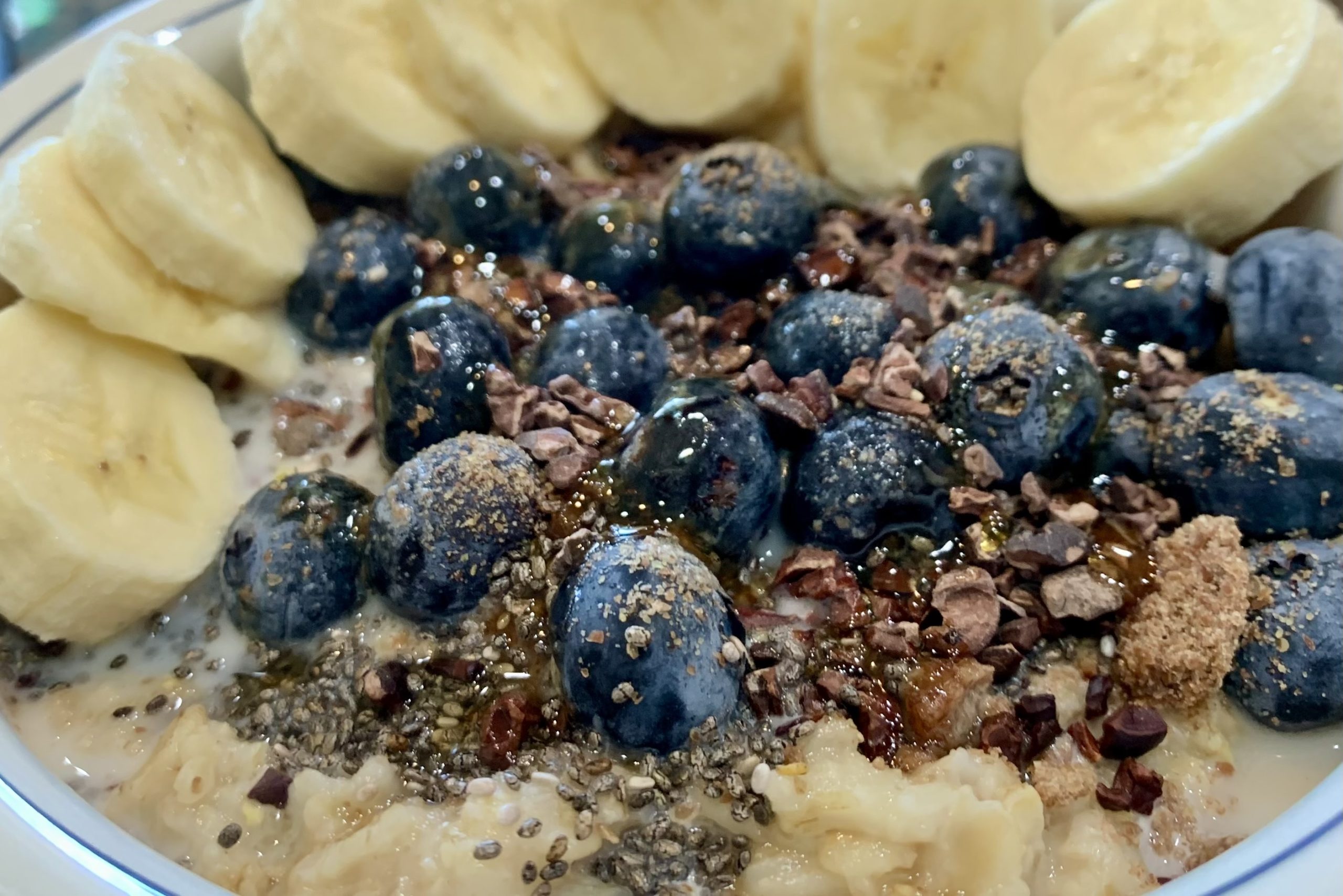
I once made the mistake of going too low-fat to be “extra healthy.” Spoiler: I felt terrible. Turns out, your body needs fats to absorb fat-soluble vitamins like A, D, E, and K. So now, I don’t shy away from adding a drizzle of olive oil to roasted veggies or a dollop of almond butter to my snacks.
4. Don’t Skip Micronutrients
When I started eating plant-based, I didn’t realize how important it was to get key nutrients like B12, iron, zinc, magnesium, calcium, fiber, and omega-3s. Here’s what you need to know:
- B12: You’ll need to take a supplement since it’s not found in plant foods. I recommend a sublingual B12 for easy absorption.
- Iron: Eat foods like lentils and spinach, and pair them with vitamin C (like lemon juice or bell peppers) to help your body absorb it better.
- Zinc: Helps with your immune system and healing. You can get it from pumpkin seeds, chickpeas, and whole grains.
- Magnesium: Keeps your muscles and energy levels strong. Add spinach, almonds, or bananas to your meals.
- Calcium: Found in fortified plant milk, tofu, and kale. Try a kale, almond milk, and mango smoothie—it’s delicious and packed with calcium.
- Omega-3s: Great for your brain and heart. Add ground flaxseeds, chia seeds, or walnuts to smoothies, oatmeal, or salads.
- Fiber: Essential for digestion. Load up on whole grains, beans, veggies, and fruits.
I’ll go over these in more depth in the Essential Nutrients on a Plant-Based Diet section.
5. Spice It Up
Okay, this is my favorite part: spices. They make your food taste amazing, and many have crazy health benefits. Turmeric is anti-inflammatory, garlic supports heart health, and cinnamon helps regulate blood sugar. I’ve even started adding black pepper to my turmeric dishes because it increases curcumin absorption (thanks, internet, for that nugget of wisdom).
6. Listen to Your Body
Finally, remember that there’s no one-size-fits-all approach. What works for me might not work for you, and that’s okay. Some people thrive on grains; others need to dial them back. Pay attention to how you feel after meals and tweak your diet. For me, too much bread leaves me feeling sluggish, so I stick to sprouted grain options or skip it altogether.
Eating plant-based for longevity isn’t just about adding years to your life; it’s about adding life to your years. Focus on whole, nutrient-packed foods, don’t stress about perfection, and enjoy the process. And if you mess up? Hey, we all do. Just learn from it and move on. You got this!
How to Build a Meal Plan for Longevity and Health:
I used to think meal planning was exclusively for bodybuilders or weight loss enthusiasts. Everything changed when I shifted focus to longevity and overall health. That’s when I discovered meal planning is really about making intentional choices that support long-term vitality.
Key Lessons I Learned About Healthy Eating
When I finally let go of restrictive diets, it changed everything. Instead of forcing myself to eat bland, unsatisfying meals, I discovered a whole new world of sustainable and enjoyable eating habits that actually work and stick.
Through a lot of trial and error, I realized that skipping meals and obsessing over every carb just didn’t lead to lasting health. Those strategies were exhausting and didn’t make me feel good in the long run.
What really worked was a more flexible approach. I started creating meal plans that fit my personal needs and could easily adapt as my lifestyle or goals changed. This way, I wasn’t stuck following rigid diet rules or trends. I was building something that worked for me.
This mindset shift made eating feel freeing, balanced, and sustainable. It’s all about finding what makes you feel good and fits your life.
Building a Foundation for Longevity
The first step to eating for longevity is simple: start with whole, minimally processed foods that look as close to their natural state as possible. These foods are the building blocks of truly nourishing meals.
Think about creating a colorful plate filled with fresh vegetables, fruits, whole grains, nuts, seeds, and plant-based proteins. Not only does this make your meals more appealing, but it also ensures you’re getting the complete nutrition your body needs.
Make your kitchen feel like your own personal farmer’s market. Stock it with fresh, healthy ingredients so that when it’s time to eat, it’s easier (and more tempting!) to reach for wholesome options instead of processed ones. Small changes like this make a big difference over time!
This simple approach has made healthy eating feel natural rather than forced, and more importantly, sustainable for the long term.
Simple Plant-Based Meal Plan for Beginners:
Here are some easy plant-based recipes to get you started.
Breakfast: Overnight Oats with Berries
A no-cook breakfast that you prepare the night before:
- 1/2 cup rolled oats
- 1 cup plant milk (almond, soy, or oat)
- 1 tablespoon chia seeds
- 1 tablespoon maple syrup
- 1/2 cup mixed berries
- Optional toppings: sliced almonds, banana
Mix oats, milk, chia seeds, and maple syrup in a jar. Refrigerate overnight. In the morning, top with berries and optional toppings.
Lunch: Mediterranean Chickpea Wrap
A protein-rich lunch that takes 10 minutes to prepare:
- 1 large tortilla wrap
- 1 can chickpeas, drained and rinsed
- 1 cup mixed salad greens
- 1/2 cucumber, diced
- 1/4 cup hummus
- Cherry tomatoes, halved
Mash chickpeas roughly with a fork, mix with hummus. Spread on wrap, add vegetables, roll up and enjoy.
Dinner: One-Pot Lentil and Vegetable Curry
A comforting dinner that’s perfect for beginners:
- 1 cup red lentils
- 1 onion, diced
- 2 carrots, chopped
- 2 cups vegetable broth
- 1 can coconut milk
- 2 tablespoons curry powder
- 2 cups spinach
- Rice for serving
Sauté onion and carrots in a pot. Add lentils, broth, coconut milk, and curry powder. Simmer 20 minutes. Stir in spinach until wilted. Serve over rice.
Shopping Tips:
Keep your pantry stocked with staples like lentils, chickpeas, oats, and rice. Buy fresh produce weekly, and don’t forget to include plant-based milk alternatives and hummus.
The Secret: Nutrient Density
One mistake I made early on was eating the same thing every day. Sure, spinach is great, but your body thrives on variety. Instead of sticking to my comfort zone (hello, endless avocado toast), I began exploring nutrient-dense foods I’d ignored. These powerhouse foods give your body the vitamins and minerals to stay healthy for the long haul.
Try incorporating these nutritional powerhouses:
- Amaranth – rich in protein and essential minerals
- Hemp seeds – packed with omega-3s and complete protein
- Fermented vegetables – great for gut health and immunity
Remember, small changes in variety can make a big difference in your overall nutrition. Start by adding just one new food to your regular meals each week.
For example, I love adding cruciferous veggies like broccoli and kale to my meals. Why? They’re packed with sulforaphane, a compound linked to cellular repair and reducing inflammation. (It’s like giving your cells a spa day.) And don’t even get me started on berries. They’re anti-aging rockstars. Think antioxidants, which help combat oxidative stress, a major player in aging.
Balancing Your Plate
When I build a meal, I use a formula named the “3-2-1 Rule.” It consists of three parts veggies (leafy greens, roasted root veggies, or whatever’s in season), two parts plant-based protein (chickpeas, lentils, tofu, tempeh), and one part healthy fat (like avocado or tahini). This keeps my meals satisfying and nutrient-packed without making me feel like I’m on some sad, restrictive diet.
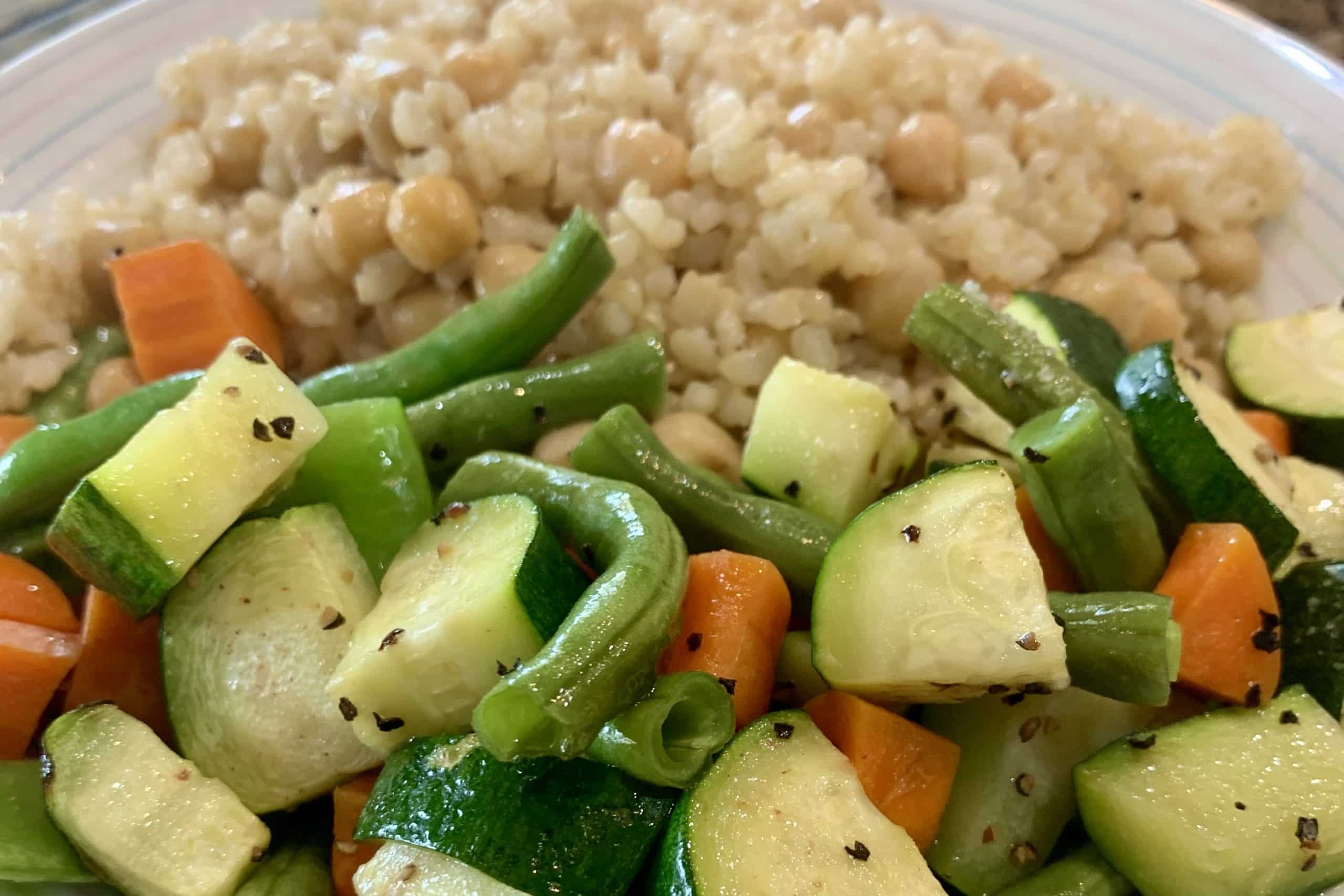
Let me share a real-life meal example: A roasted veggie bowl with brown rice, chickpeas, roasted vegetables, and a drizzle of tahini lemon dressing. It’s quick, easy, and packed with protein, fiber, and healthy fats. Plus, the flavors slap (yep, I’m still cool and can say that).
📌 Pro tip: prep the brown rice and roast the veggies beforehand. It makes tossing together meals so much easier.
Timing Is Everything
Another game changer? Paying attention to when I eat. I used to snack late at night, but research shows that giving your body at least 12 hours without food (intermittent fasting) can support longevity. Now, I finish dinner by 7 p.m. most nights and let my body focus on repair instead of digestion while I sleep. It’s a small change, but I’ve noticed a huge difference in my energy levels and focus during the day.
Again: Listen to Your Body
Lastly, I learned to listen to my body. If I feel sluggish or bloated after a meal, I tweak things. If craving something sweet, I reach for a handful of nuts and dark chocolate instead of diving into cookies. Over time, I’ve built a meal plan that doesn’t just support longevity. It genuinely makes me feel good. And trust me, when your energy is steady, and your body feels strong, you’ll stick with it.
So, if you’re considering creating a meal plan for health and longevity, start small. Experiment with whole foods, focus on variety and find enjoyable meals.
Essential Nutrients on a Plant-Based Diet:
When I first switched to a plant-based diet, I quickly learned that simply eating vegetables wasn’t enough. There are some crucial nutrients that need extra attention to truly thrive.
B12
Let’s start with the most critical nutrient: Vitamin B12. You’ll need about 2.4 mcg daily, and here’s the thing you’ll almost certainly need to supplement. Sublingual supplements work best, as they’re better absorbed than standard tablets.
Iron
Iron optimization isn’t just about eating iron-rich foods like lentils and spinach. The real game-changer is pairing these foods with vitamin C sources. Add lemon juice to your lentil soup, or toss some bell peppers into your spinach salad.
Omega-3s
Omega-3s deserve special attention in a plant-based diet. While flaxseeds, chia seeds, and walnuts are excellent sources, you’ll want to be generous with portions since your body needs to convert plant-based omega-3s (ALA). Add ground flaxseed to smoothies or oatmeal for an easy daily boost.
Calcium
Calcium comes easily from fortified plant milk. Remember to shake well before using. Dark leafy greens like kale and bok choy are also excellent sources when eaten regularly.
Zinc
Zinc supports your immune system and helps your body heal. Foods like pumpkin seeds, lentils, chickpeas, and whole grains are excellent plant-based sources. Include these regularly to ensure you’re meeting your needs.
Magnesium
Magnesium is a must-have nutrient for muscle relaxation, nerve function, and energy production. You’ll find it in foods like spinach, almonds, black beans, and bananas. Add these to meals or snacks to boost your intake.
Fiber
Fiber is the unsung hero of a plant-based diet. It’s essential for digestion and gut health and helps keep you feeling full and satisfied. Load up on vegetables, fruits, legumes, and whole grains to hit your daily target.
🌱 Stocking Your Plant-Based Pantry: Getting these essential nutrients is easier when your pantry is well-stocked.
I get most of my pantry basics from Thrive Market they offer great prices on organic nuts, seeds, legumes, and plant-based proteins.
👉 Check out their selection here
When starting your plant-based journey, get baseline blood work done, then follow up every 6-12 months. Being proactive with your nutrition strategy and paying attention to these essential nutrients will set you up for long-term success, abundant energy, and vibrant health.
Practical Tips for Success:
- Start with familiar meals and gradually modify them to be plant-based
- Keep meals simple but nutrient-dense
- Batch cook protein sources for easy meal assembly
- Listen to your body and adjust as needed
- Focus on whole foods rather than processed alternatives
Remember, transitioning to a plant-based diet is a journey, not a race. By understanding these nutritional foundations and implementing them gradually, you’ll build sustainable habits that support long-term health and vitality.
Budget-Friendly Strategies
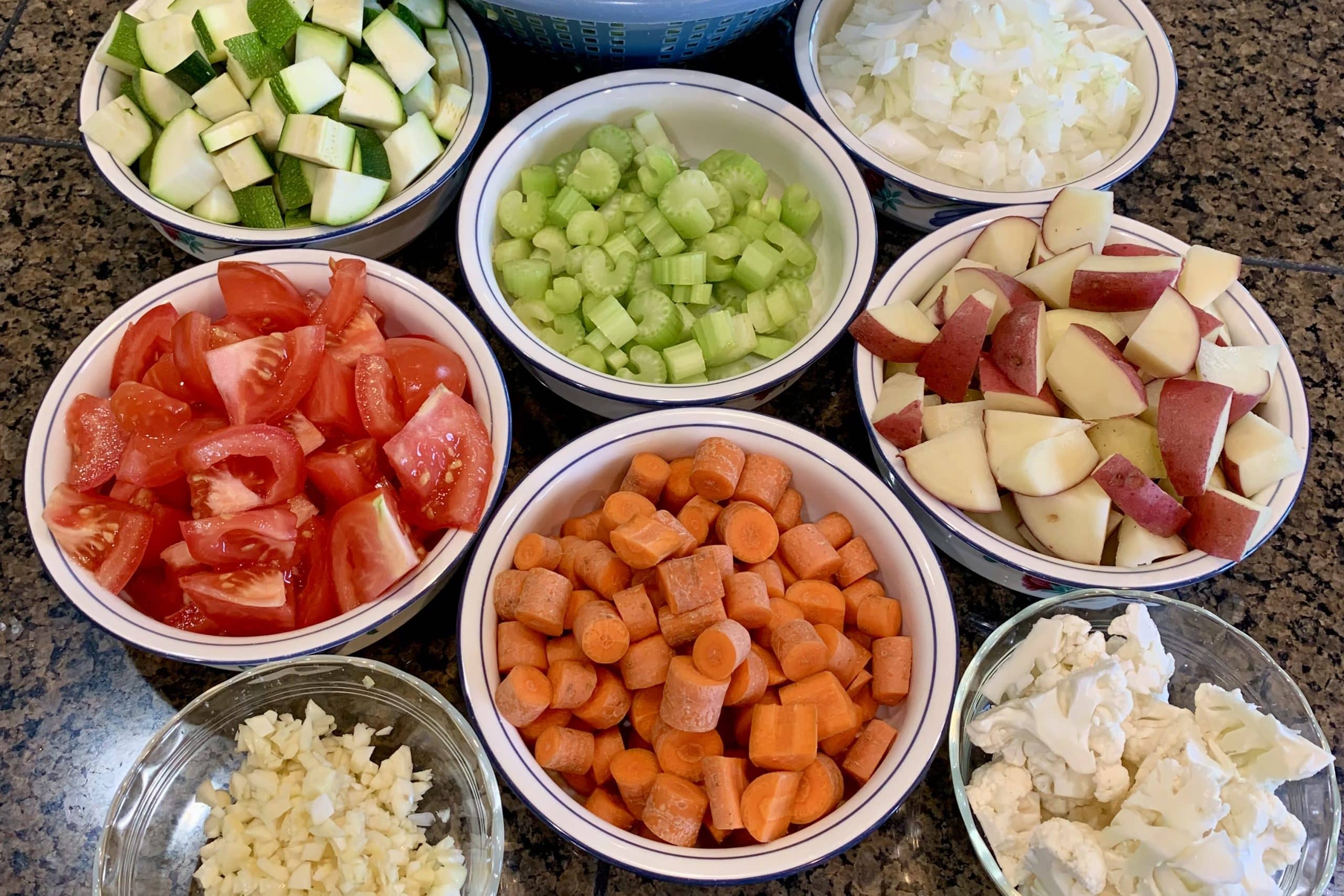
One of the biggest concerns people have when trying to eat a plant-focused diet is the cost. I get it. I’ve been there, staring at organic produce prices and feeling my wallet cry. But here’s the surprise: when I started tracking my spending, I realized that whole plant foods were cheaper than my old meat-heavy diet. The secret? Find seasonal produce and stock up on beans and grains in bulk. It’s budget-friendly and healthy!
Research shows that a whole-food, plant-based diet can lead to approximately $750 in annual savings compared to a conventional Western diet. Key money-saving approaches include:
- Buying seasonal produce
- Purchasing beans and grains in bulk
- Planning meals ahead to minimize waste
- Focusing on whole food ingredients
💡 Money-Saving Tip: One of my favorite ways to save on organic staples is through Thrive Market.
Their wholesale prices are typically 25%-50% below retail, and they deliver right to your door.
Meal Preparation and Time Management
Efficient meal prep can transform your plant-based journey. Consider implementing these strategies:
- Dedicate 2-3 hours on Sunday for batch cooking
- Prepare basic ingredients like grains, beans, and roasted vegetables
- Create mix and match meals throughout the week
- Keep quick, nutritious snacks readily available
Managing Social Situations
Social situations used to stress me out. Family barbecues? Holiday dinners? So awkward! But I’ve found a few tricks that make it easier. First, I always have a little snack before heading out, just in case. Plus, I’ve become good at suggesting restaurants; these days, more places than ever have excellent plant-based options. It feels great to show up prepared and inspire others to try something new. By being a walking example of health, I’ve noticed it sparks curiosity in people and motivates them to get in shape, too. It’s such a win-win!
Navigate social events with confidence using these approaches:
- Eat a light snack before attending events
- Research restaurant options in advance
- Share delicious plant-based dishes with friends and family
- Use these opportunities to inspire others through example
Energy Management
Focus on eating complex carbohydrates like whole grains, beans, and sweet potatoes to provide long lasting fuel. Make sure you’re getting enough calories from a variety of nutrient-dense foods like leafy greens, nuts, seeds, and plant-based proteins to keep you full and satisfied. Planning regular, balanced meals with a mix of carbs, healthy fats, and protein will help you avoid energy dips, especially when shifting from a meat-heavy diet. Stay consistent, and your body will adjust to feeling lighter and more energized!
Maintain steady energy levels by:
- Including adequate complex carbohydrates
- Ensuring sufficient caloric intake
- Incorporating nutrient-dense foods
- Planning regular, balanced meals
Remember that transitioning to a plant-based diet is a journey. Focus on progress rather than perfection, and celebrate small victories along the way. With proper planning and attention to key nutrients, a plant-based diet can support optimal health and wellness.
Integrating Plant-Based Eating Into Your Lifestyle:
Starting a plant-based diet doesn’t require a complete lifestyle overhaul. In fact, it can be one of the most straightforward changes you make to improve your health and eating habits. You don’t need to throw out everything in your fridge or learn a hundred new recipes overnight. Instead, think of this as an opportunity to add more variety and flavor to the meals you’re already enjoying.

Getting Started with Simple Changes
The beauty of transitioning to more plant-based meals lies in making small, manageable adjustments to familiar dishes. Take a look at what you already enjoy eating and consider simple tweaks. Love tacos? Try swapping ground meat for black beans or lentils. They’re not only affordable and easy to cook, but they also soak up all those delicious taco seasonings you already use. If you’re a pasta enthusiast, keep your favorite marinara sauce, but try tossing in some fresh spinach and sprinkling nutritional yeast on top for a cheesy flavor. These simple swaps keep things familiar while adding a nutritious, plant-based twist.
Building Better Meals
One of the easiest ways to begin is to build your meals around what’s already plant-based. Start by filling half your plate with vegetables or fruits. They can be raw, roasted, or steamed. Then add a protein source like chickpeas, lentils, or tofu, and pair it with a satisfying grain such as brown rice, quinoa, or whole-grain bread. This simple formula creates balanced, satisfying meals without complicated recipes or unusual ingredients.
Key components for a balanced plate:
- Colorful vegetables or fruits (half your plate)
- Plant-based protein (chickpeas, lentils, tofu)
- Whole grains (brown rice, quinoa, whole-grain bread)
Embracing Flexibility
Not ready to give up your favorite meals entirely? That’s completely fine! Start by adding more plants to your existing recipes. Add extra vegetables to your stir-fry, include a fresh side salad with dinner, or try a veggie burger while keeping your usual bun and toppings. Remember, plant-based eating isn’t about restriction. It’s about addition and exploration.

Simple Snacking Solutions
Snacking on a plant-based diet can be just as satisfying as your current favorites. Instead of reaching for chips, try roasted chickpeas seasoned with your favorite spices. When sugar cravings hit, grab a piece of fresh fruit or some dark chocolate. Trail mix makes an excellent on the go option, combining nuts, dried fruit, and seeds for a satisfying and nutritious snack.
🍌 Healthy Snack Tip: Skip the expensive health food store markup!
I stock up on organic trail mix ingredients, dried fruits, and healthy snacks from Thrive Market at wholesale prices.
Making It Work in Real Life
Here’s a practical secret that many don’t share: you don’t always have to cook from scratch. Frozen vegetables are just as nutritious as fresh ones, and canned beans can be ready in seconds. Keep pre-cooked quinoa or rice on hand for quick meal assembly. These conveniences make plant-based eating more accessible and sustainable in your busy life.
Taking It One Step at a Time
Remember that plant-based eating isn’t an all or nothing proposition. If you start by swapping just one meal a day or adding an extra serving of vegetables to your usual dishes, you’re making a positive change. The key is to keep things simple, focus on foods you enjoy, and take it one meal at a time.
Simple ways to start today:
- Add an extra vegetable to your usual dinner
- Try one meatless meal per week
- Experiment with plant-based milk in your morning coffee
The most successful changes happen gradually, building on small victories and enjoyable discoveries. Focus on progress rather than perfection, and let your plant-based journey unfold naturally. With each small step, you’re moving toward a more varied, nutritious, and sustainable way of eating.
🌱 Ready to start your plant-based journey? Stock your pantry with healthy essentials from Thrive Market.
👉 Get 30% off your first order here
Conclusion: Your Longevity Journey Starts Now:
The science doesn’t lie: Incorporating more plant-based, whole foods into your diet can unlock a path to living longer, healthier, and more vibrant years. Whether starting small with a veggie-packed taco or diving headfirst into plant-based meal prepping, every step counts. Remember, this isn’t about chasing perfection; it’s about progress. Each meal is an opportunity to fuel your body, protect your cells, and nurture your longevity.

Think of this journey as adding life to your years, not just years to your life. By focusing on nutrient density, listening to your body, and making sustainable choices, you’re laying the foundation for a longer life and a future filled with energy, clarity, and vitality.
So, what’s next? Start simple. Pick one plant-based recipe from this guide and try it this week. Keep exploring, keep experimenting, and most importantly, enjoy the process. Before you know it, you’ll feel the difference, not just in how you look but in how you live.
💡 Reset Your Body. Reclaim Your Energy.
👉 Grab my FREE 3-Day Life Reset and experience the benefits of plant-based living. It’s packed with simple plant-based meals, daily habits, and science-backed tools to boost your energy, clarity, and health starting now.
Note: This guide is for informational purposes only. Always consult with healthcare professionals before making significant dietary changes or starting new supplement regimens.